Meta Description:
Discover the biblical meaning of mountains as symbols of God’s power on earth. Learn how Scripture reveals His majesty, strength, and divine presence.
There is something about mountains that silences the soul.
Stand before one, and suddenly your problems feel smaller. Your worries seem lighter. Your heart becomes aware of something greater than itself. From the beginning of Scripture, mountains have stood not merely as geological formations, but as powerful symbols of God’s presence, authority, and glory on earth.
Mountains rise. And in their rising, they preach.
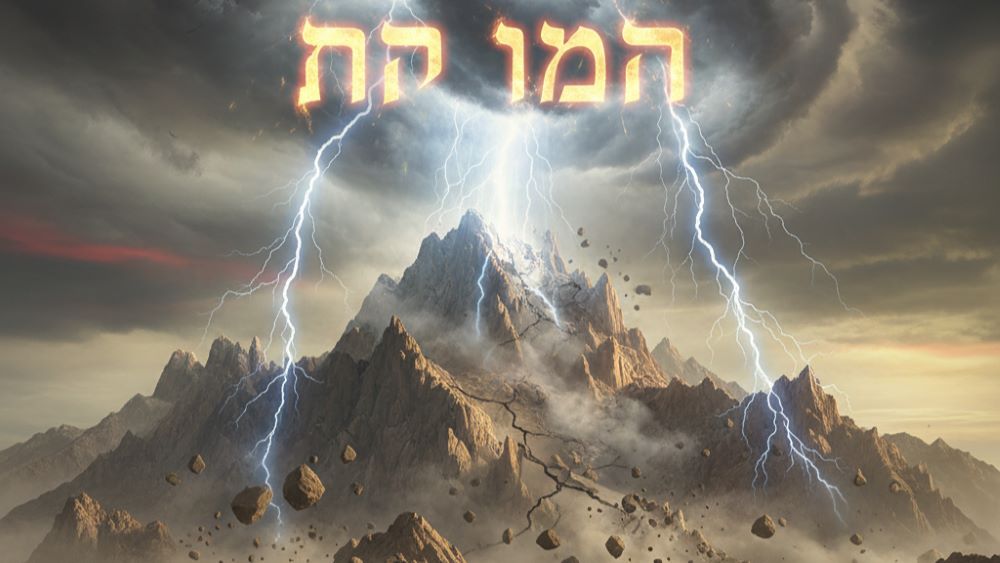
1. Mountains Reveal God’s Majesty
In the Bible, mountains often serve as meeting places between heaven and earth. One of the most powerful moments occurred in the Book of Exodus when God descended upon Mount Sinai. The mountain trembled. Smoke filled the air. Thunder roared. It was not a casual event—it was a revelation of divine power.
God could have chosen a valley. He could have spoken from a quiet field. But He chose a mountain.
Why?
Because mountains reflect elevation, authority, and transcendence. They remind us that God is high above all creation. His ways are higher than ours. His thoughts are beyond our limited understanding. When we look at a mountain peak, we are reminded that God is not small, not distant, and certainly not weak.
He reigns.
2. Mountains Represent God’s Unshakable Strength
Mountains do not move easily. Storms may strike them. Winds may howl. Rain may pour for days. Yet they stand.
Throughout Scripture, mountains symbolize stability and strength. In the Book of Psalms, the psalmist declares that those who trust in the Lord are like Mount Zion—unshakable and enduring forever.
This is not poetic exaggeration. It is a spiritual truth.
When life feels unstable—when finances shake, relationships crack, or dreams collapse—God remains like a mountain. Firm. Faithful. Immovable.
The mountain reminds us: God is not nervous about your situation. He is not scrambling to fix what surprised you. He is steady. And when we root ourselves in Him, we become steady, too.
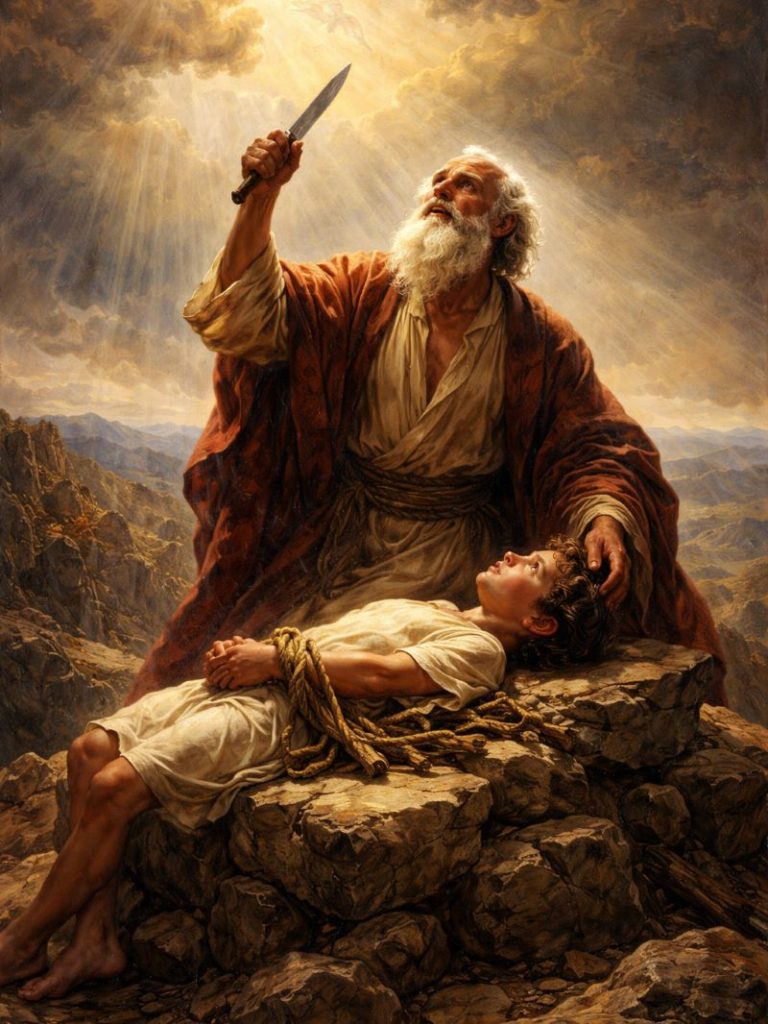
3. Mountains Are Places of Encounter
Again and again in Scripture, people meet God on mountains.
In the Book of 1 Kings, the prophet Elijah climbed Mount Horeb discouraged and exhausted. He expected God in the wind, the earthquake, and the fire—but God revealed Himself in a gentle whisper. The mountain became a place of renewal.
In the Gospel of Matthew, Jesus often went up a mountain to pray. It was on a mountain that He delivered the Sermon on the Mount. It was on a mountain that He was transfigured before His disciples, revealing divine glory.
Mountains are symbolic spaces where heaven touches earth.
This teaches us something powerful: when we rise above the noise of the world—when we separate ourselves to seek God—we encounter Him more deeply. The “mountain” may not be physical for you. It may be an early morning prayer. A quiet room. A moment of surrender.
But the principle remains: elevation brings revelation.
4. Mountains Remind Us That Growth Requires Climbing
Mountains are beautiful—but they are not easy.
You don’t drift to the summit. You climb.
Spiritually, this is important. Growth in faith requires effort. Discipline. Endurance. There are steep paths, rocky terrain, and moments when you want to turn back. But every step upward strengthens you.
The mountain teaches perseverance.
In our generation, we often want instant results—instant success, instant breakthroughs, instant answers. But mountains are formed over time. Their grandeur is the result of pressure, shifting, and endurance.
Could it be that God allows certain “mountain climbs” in your life to shape your character?
The climb builds faith. The struggle builds dependence. The height builds perspective.
And when you reach the top—even briefly—you see farther than you ever could from the valley.

5. Mountains Proclaim God’s Creative Power
Look at a mountain range. The vastness. The detail. The strength. No human hand could design such a magnitude.
Creation itself declares the power of God.
The sheer size of mountains humbles human pride. Skyscrapers seem small. Kingdoms fade. Empires rise and fall—but mountains remain.
They silently testify that God is eternal.
If He can carve peaks from rock, if He can shape the earth with such precision, then surely He can shape your life. If He can hold continents in place, He can hold your future in His hands.
The mountain is not just scenery—it is a sermon.
6. Mountains and the Promise of Movement
Here’s the beautiful paradox: mountains represent strength, but Jesus also said that faith can move mountains.
In the Gospel of Matthew, Jesus taught that if we have faith even as small as a mustard seed, we can say to a mountain, “Move,” and it will move.
What does this mean?
It means that no obstacle—no matter how massive—can resist the power of God working through faith. The very symbol of immovability becomes movable in the presence of divine authority.
That should ignite hope in your heart.
The mountain that stands before you today—fear, debt, sickness, disappointment—is not greater than the God who created mountains.
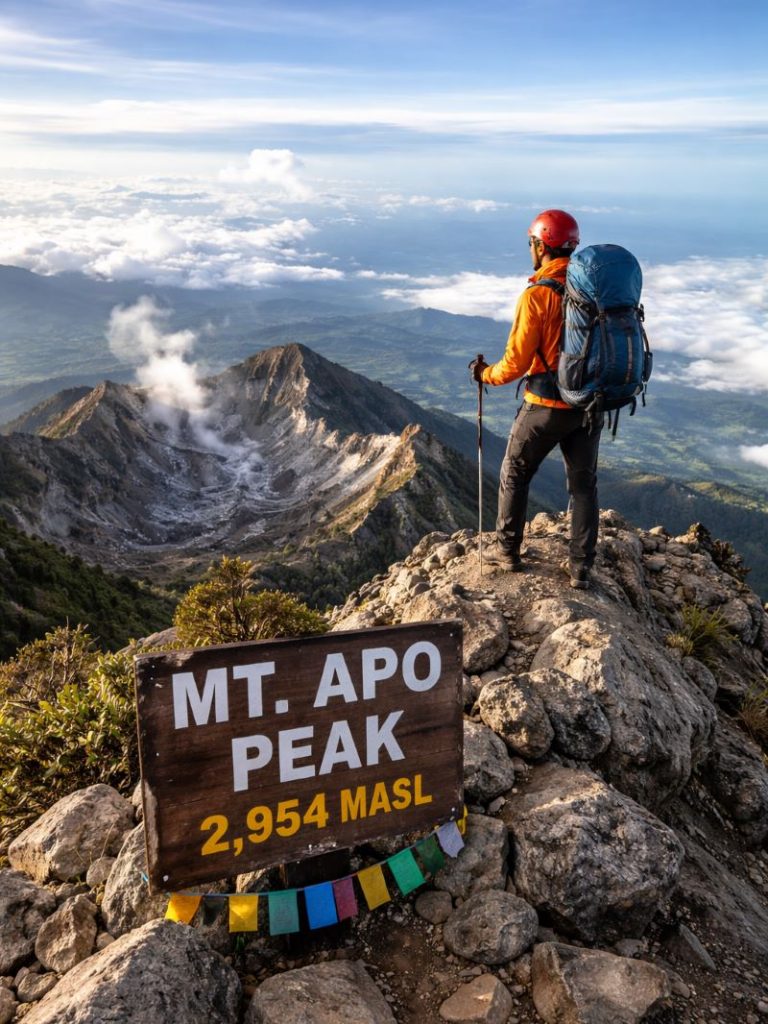
Final Reflection: When You See a Mountain
The next time you see a mountain, whether in person or in a photograph, let it preach to you.
Let it remind you that:
- God is higher than your problems.
- God is stronger than your fears.
- God is steady when life feels unstable.
- God invites you to climb closer.
- God can move what seems immovable.
Mountains symbolize God’s power on earth because they are visible declarations of His majesty, strength, and presence. They rise from the ground yet point toward heaven. They are rooted deeply yet reach upward boldly.
And perhaps that is what our lives are meant to do as well.
To stand firm.
To grow upward.
To reflect His glory.
So when you face a mountain, do not be intimidated.
Remember who made it.
Leave a Reply