Category: Uncategorized

  • The Psychology of Money, Power, and Greed: Why We Always Want More

    Introduction

    Money, power, and greed have shaped human history for thousands of years. They have inspired great achievements, built civilizations, fueled innovation, and lifted millions out of poverty. Yet they have also been responsible for corruption, exploitation, conflict, and personal destruction. As a psychologist, I have often observed that money and power are not inherently good or bad. Rather, they act like magnifying glasses, revealing and amplifying what already exists within the human mind.

    Why do some people remain humble despite great wealth, while others become consumed by greed? Why do some leaders use power to serve others, while others abuse it for personal gain? The answers lie deep within human psychology.

    Understanding the relationship between money, power, and greed can help us make wiser decisions, build healthier relationships, and lead more meaningful lives.

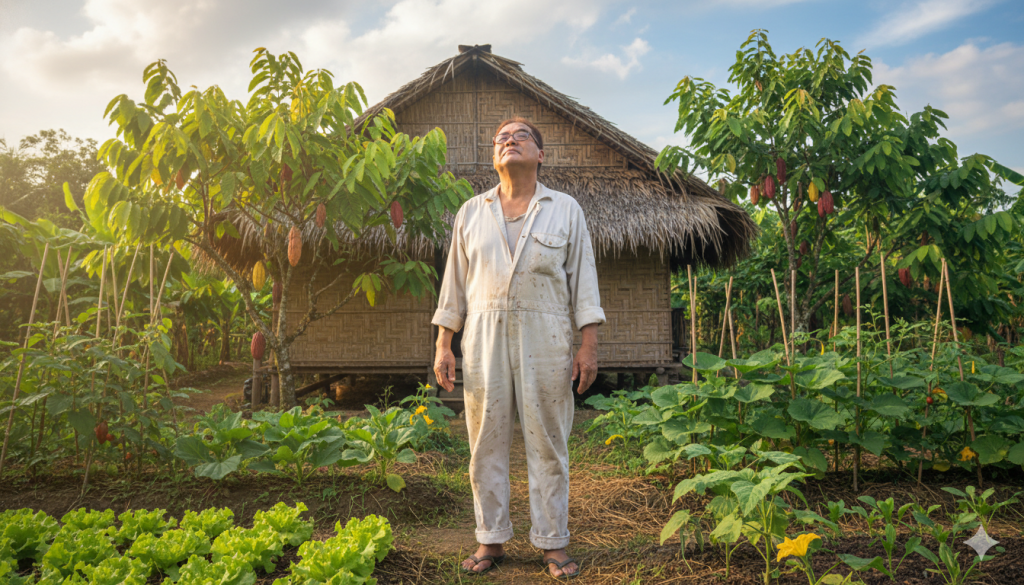
    A person contemplating about himself.

    The Psychology of Money

    Money is much more than paper, coins, or numbers in a bank account. Psychologically, money represents security, freedom, status, achievement, and even self-worth.

    From childhood, people develop emotional beliefs about money. Some grow up hearing that money is scarce and difficult to obtain. Others learn that wealth is a sign of success and respect. These early experiences create what psychologists call a “money mindset.”

    For many individuals, money provides a sense of safety. Having financial resources reduces uncertainty about the future. It allows people to meet their basic needs, care for their families, and pursue personal goals.

    However, the human brain has a fascinating tendency called “hedonic adaptation.” When people receive more money, they experience a temporary increase in happiness. Over time, however, they become accustomed to their new level of wealth, and their happiness returns to its previous baseline.

    This explains why a person earning twice as much money may not necessarily feel twice as happy. The mind quickly adjusts and begins wanting more.

    The challenge is that the pursuit of money can easily shift from meeting needs to satisfying endless desires.

    The Nature of Power

    Power is the ability to influence people, situations, or outcomes. It exists in every area of life—business, politics, families, organizations, and even friendships.

    Psychologically, power satisfies several fundamental human needs:

    • The need for control
    • The need for significance
    • The need for influence
    • The need for security

    Research has shown that power can produce both positive and negative effects. On one hand, power can increase confidence, decisiveness, and leadership ability. It can empower individuals to solve problems and help others.

    On the other hand, power can alter how people perceive themselves and those around them.

    One famous psychological observation is that individuals with significant power sometimes become less empathetic. They may begin focusing more on their own goals and less on the feelings of others. This is not because they suddenly become bad people. Rather, power can create psychological distance between leaders and those they lead.

    The greater the power, the greater the temptation to believe that one’s opinions, desires, and interests are more important than everyone else’s.

    History repeatedly demonstrates that unchecked power often leads to poor judgment, arrogance, and abuse.

    Understanding Greed

    Greed is the excessive desire for more than one needs. Unlike ambition, which seeks growth and achievement, greed seeks accumulation without limits.

    Greed is not simply about money. People can be greedy for attention, recognition, influence, possessions, or authority.

    From an evolutionary perspective, greed once had survival advantages. In ancient environments where resources were scarce, collecting extra food or resources increased the chances of survival.

    The modern world, however, is different.

    Today, many people have access to resources far beyond their basic needs. Yet the psychological mechanisms that encouraged accumulation remain active.

    Greed often emerges from deeper emotional factors, including:

    Fear

    Many greedy behaviors are driven by fear rather than confidence.

    A person may accumulate wealth because they fear poverty. Another may seek power because they fear insignificance. The pursuit of “more” becomes an attempt to protect oneself from uncertainty.

    Insecurity

    Some individuals use wealth and status to compensate for feelings of inadequacy.

    Expensive possessions, prestigious titles, and public recognition can temporarily mask inner insecurities. Unfortunately, because the underlying insecurity remains unresolved, the desire for more never disappears.

    Comparison

    Humans naturally compare themselves with others.

    Social media has intensified this tendency. People constantly see images of success, luxury, and achievement. This creates a psychological trap where individuals measure their worth against someone else’s lifestyle.

    As comparisons increase, contentment decreases.

    The result is a never-ending race that no one truly wins.

    When Money and Power Meet

    Money and power often reinforce one another.

    Money can buy influence. Influence can generate more wealth. Together, they create opportunities that many people find difficult to resist.

    Psychologists refer to this as a feedback loop.

    As individuals gain wealth, they often gain more influence. As their influence grows, they gain access to additional resources. Without strong personal values, this cycle can gradually distort judgment.

    Many scandals involving business leaders, politicians, and celebrities follow a similar pattern. The individuals involved often did not begin their careers intending to become unethical.

    Instead, small compromises accumulated over time.

    One rationalization led to another.

    One unethical decision became easier to justify than the last.

    Eventually, they crossed lines they once believed they would never cross.

    This demonstrates an important psychological truth: major ethical failures are often the result of gradual changes rather than sudden transformations.

    The Illusion of “Enough”

    One of the most fascinating psychological questions is this:

    How much is enough?

    For many people, the answer remains elusive.

    Studies have repeatedly shown that once basic needs and reasonable comforts are met, additional wealth produces diminishing returns in happiness. Yet countless individuals continue pursuing more.

    Why?

    Because the brain often focuses on relative success rather than absolute success.

    A millionaire may feel wealthy until they meet a billionaire.

    A successful executive may feel accomplished until they compare themselves to a more powerful executive.

    This phenomenon is known as the “comparison trap.”

    The trap creates a moving target. No matter how much one achieves, there is always someone with more.

    As a result, satisfaction remains permanently out of reach.

    True contentment emerges not from having everything but from appreciating what one already possesses.

    The Cost of Greed

    Greed extracts a heavy psychological price.

    Many people assume that greed primarily harms others. While this is true, it also damages the individual who possesses it.

    Greed often produces:

    Chronic Anxiety

    The more people acquire, the more they fear losing.

    Protecting wealth, status, and power can become a source of constant stress.

    Relationship Problems

    When personal gain becomes the highest priority, relationships suffer.

    Trust erodes. Genuine connections weaken. People begin viewing others as tools rather than human beings.

    Emotional Emptiness

    Material success cannot satisfy every psychological need.

    Human beings also require meaning, connection, purpose, and love.

    When these needs are neglected, even extraordinary wealth may feel surprisingly empty.

    Ethical Compromise

    Greed gradually lowers ethical standards.

    Actions once considered unacceptable become easier to justify when they promise financial or personal rewards.

    Over time, individuals may lose sight of the values that once guided their lives.

    Healthy Ambition vs. Greed

    It is important to distinguish ambition from greed.

    Ambition is healthy.

    Greed is destructive.

    Healthy ambition encourages growth, excellence, and contribution. It motivates people to develop their talents, achieve goals, and improve their lives.

    Greed, however, transforms achievement into obsession.

    A useful question is:

    “Why do I want more?”

    If the answer involves growth, service, creativity, or providing for loved ones, ambition may be driving the pursuit.

    If the answer involves superiority, control, envy, or endless accumulation, greed may be taking control.

    The difference lies not in the amount acquired but in the motivation behind the pursuit.

    The Psychology of Contentment

    Contentment is not the absence of goals.

    Rather, it is the ability to pursue goals without becoming enslaved by them.

    Psychological research consistently shows that people experience greater well-being when they focus on:

    • Gratitude
    • Meaningful relationships
    • Personal growth
    • Acts of generosity
    • Service to others
    • Spiritual fulfillment

    Generosity, in particular, produces remarkable psychological benefits.

    When individuals share their resources, they often experience increased happiness, stronger social connections, and a greater sense of purpose.

    This creates a powerful paradox:

    People who give away some of what they have often feel richer than those who spend their lives accumulating more.

    Conclusion

    Money, power, and greed reveal some of the deepest truths about human nature. Money provides opportunities. Power creates influence. Neither is inherently dangerous.

    The real challenge lies in the human heart and mind.

    When guided by wisdom, integrity, and compassion, money and power can improve lives, strengthen communities, and create lasting positive change.

    When driven by fear, insecurity, and unchecked desire, they can become destructive forces that consume both individuals and societies.

    The greatest psychological lesson is that fulfillment does not come from possessing everything. It comes from understanding what truly matters.

    A person who controls millions but cannot control greed is not truly powerful.

    A person who possesses wealth but lacks peace is not truly rich.

    And a person who learns to balance ambition with gratitude has discovered something far more valuable than money or power—the freedom to live a meaningful and contented life

    Leave a Reply

    Your email address will not be published. Required fields are marked *

  • 7 Science-Backed Benefits of Pure Cacao Sikwate (Best Filipino Hot Chocolate for Your Health)

    Published: May 2026

    If you’re searching for the health benefits of cacao sikwate, you’re not alone. More Filipinos today are rediscovering this traditional drink—not just for its taste, but for its powerful health benefits.

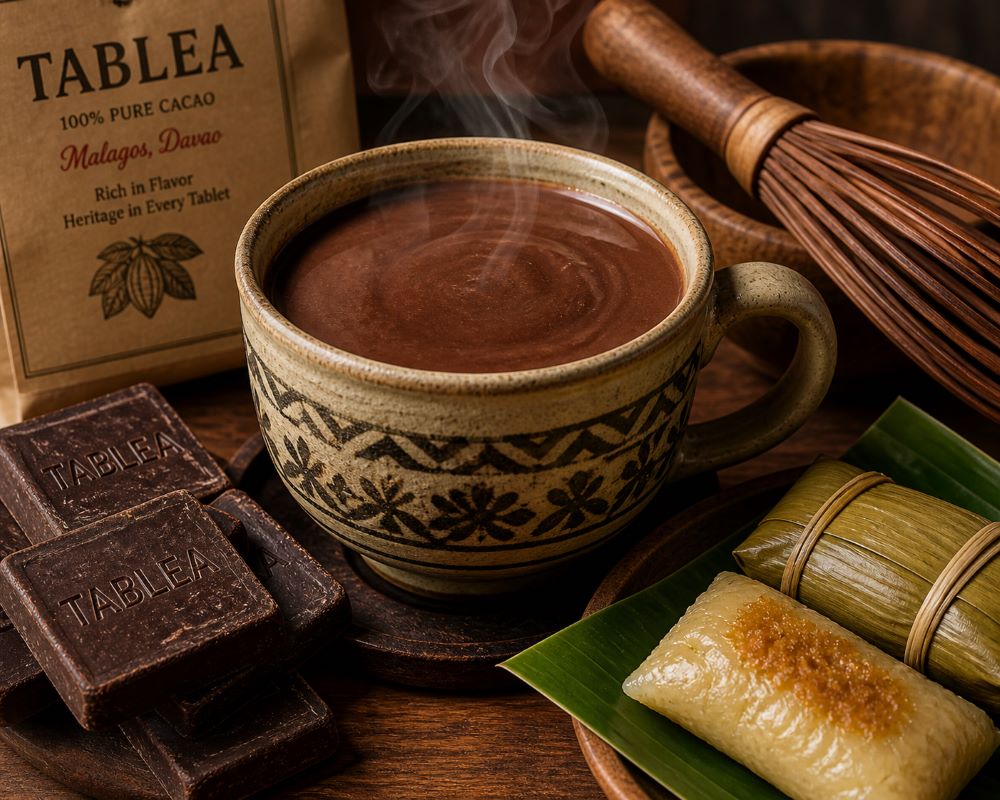
    Pure cacao sikwate, also known as Filipino hot chocolate made from tablea, is more than a comfort drink. Backed by science, it is considered one of the healthiest natural chocolate drinks in the Philippines.

    What Is Pure Cacao Sikwate? (Filipino Tablea Drink Explained)

    Sikwate is a traditional Filipino cacao drink made by melting pure cacao tablea in hot water or milk.

    Common search terms:

    • cacao tablea benefits
    • What is sikwate
    • Filipino hot chocolate tablea

    Unlike commercial chocolate drinks, pure tablea chocolate contains no artificial additives, making it a healthier option for daily consumption.

    1. High in Antioxidants (Natural Body Protection)

    If you’ve been searching for “is cacao good for health?” — the answer is yes.

    Pure cacao is rich in antioxidants, making it one of the top antioxidant foods in the Philippines.

    Benefits:

    • Fights free radicals
    • Slows aging
    • Helps prevent diseases

    👉 This is why many consider pure cacao a superfood in the Philippines.

    2. Good for Heart Health (Best Drink for Blood Circulation)

    One of the most searched topics today is:
    👉 “Is chocolate good for the heart?”

    The answer depends on the type.

    Pure cacao sikwate helps:

    • Improve blood flow
    • Support healthy blood pressure
    • Reduce heart disease risk

    This makes it one of the best natural drinks for heart health in the Philippines.

    3. Anti-Inflammatory Properties (Helps Reduce Body Pain)

    Many Filipinos search for:

    • natural anti-inflammatory drinks
    • home remedies for inflammation

    Cacao contains compounds that help reduce inflammation in the body.

    Benefits:

    • Less joint pain
    • Stronger immune system
    • Reduced risk of chronic illness

    4. Boosts Brain Function and Mood (Natural Stress Reliever)

    Looking for a natural pampagood mood?

    Cacao contains compounds that support brain function:

    • Improves focus
    • Enhances mood
    • Helps reduce stress

    👉 This is why people often search for “chocolate benefits for brain” or “natural stress relief drinks Philippines.”

    5. Rich in Essential Nutrients (Natural Energy Booster)

    If you’re searching for:

    • foods rich in magnesium Philippines
    • natural iron sources

    Pure cacao is packed with:

    • Magnesium
    • Iron
    • Zinc

    👉 Making it one of the best natural energy drinks without caffeine overload.

    6. Helps Control Blood Sugar (Good for Diabetics in Moderation)

    A rising search trend in the Philippines:
    👉 “Is tablea good for diabetes?”

    Unsweetened cacao may help:

    • Improve insulin sensitivity
    • Stabilize blood sugar

    ⚠️ Important: Avoid adding too much sugar.

    7. Supports Gut Health (Improves Digestion)

    Cacao acts as a natural prebiotic, feeding beneficial gut bacteria.

    Popular related searches:

    • foods good for digestion Philippines
    • natural gut health remedies

    Benefits:

    • Better digestion
    • Stronger immunity
    • Healthier gut

    Pure Cacao vs Commercial Chocolate Drinks in the Philippines

    Many users search:
    👉 “Which is healthier: Milo or tablea?”

    Here’s a simple comparison:

    FeaturePure Cacao TableaCommercial Chocolate
    SugarLowHigh
    NutrientsHighLow
    ProcessingMinimalHighly processed

    👉 Pure cacao wins in both nutrition and health benefits.

    How to Prepare Healthy Sikwate (Filipino Style)

    To get the full benefits of cacao tablea, follow these tips:

    • Use 100% pure cacao tablea Philippines
    • Limit sugar (or use natural sweeteners)
    • Pair with healthy Filipino foods

    Is Cacao Sikwate Safe to Drink Every Day?

    Yes—but in moderation.

    Common searches:

    • Can I drink cacao every day
    • Side effects of cacao

    Tips:

    • 1–2 cups per day is ideal
    • Avoid drinking late at night (mild stimulant)

    Final Thoughts: Why Filipinos Should Drink More Sikwate

    With the rising demand for healthy Filipino drinks, pure cacao sikwate stands out as a natural, affordable, and powerful option.

    It’s not just tradition—it’s science-backed nutrition.

    👉 Whether you’re searching for:

    • “best healthy drinks in the Philippines”
    • “natural chocolate drink benefits”
    • “Cacao tablea uses.”
    “Healthy Filipino Hot Chocolate?”

    Sikwate is one of the best answers.

    Disclaimer

    The information provided in this article is for general informational and educational purposes only and is not intended as medical advice. While pure cacao and sikwate are associated with various potential health benefits, individual results may vary depending on personal health conditions, diet, and lifestyle.

    This content does not replace professional medical consultation, diagnosis, or treatment. Always seek the advice of a qualified healthcare provider or physician regarding any health concerns or before making significant changes to your diet.

    Abel’s Tablea is a natural cacao product and is not intended to diagnose, treat, cure, or prevent any disease.

    Some links, mentions, or recommendations in this article may promote our own products. Any purchase decision is made at the reader’s discretion.

    Leave a Reply

    Your email address will not be published. Required fields are marked *

  • “Be Still” in a Busy World(Psalm 46:10)

    Meta Description:
    Discover the powerful meaning of “Be Still” in Psalm 46:10 and learn how to find peace, strength, and unwavering faith amid a busy, chaotic world.

    “Be still, and know that I am God.” — Psalm 46:10

    We live in a world that never seems to sleep. Notifications buzz. Deadlines chase us. Responsibilities pile up. The noise is constant—outside and inside. Our minds race even when our bodies are exhausted. We scroll before we pray. We hurry before we listen. We react before we reflect.

    And right in the middle of that chaos, God whispers a command that feels almost impossible:

    Be still.

    In the Book of Psalms, Psalm 46 was written during a time of upheaval and uncertainty. Nations were raging. Kingdoms were shaking. The earth itself seemed unstable. Yet in that storm, God did not say, “Be frantic.” He did not say, “Fix everything.” He did not say, “Control the outcome.”

    He said, “Be still.”

    Stillness is not weakness. It is not laziness. It is not an escape. Stillness is strength under control. It is the quiet confidence that God is sovereign even when life feels out of control.

    In our busy world, stillness feels unnatural. We measure productivity by how much we do, how fast we move, and how visible we are. But God measures faith differently. Sometimes the greatest act of faith is to pause—to stop striving and start trusting.

    To “be still” in Psalm 46:10 carries the meaning of letting go. Loosen your grip. Release your anxiety. Stop clenching your fists around situations you cannot control. Surrender the outcomes. Trust the One who holds the world in His hands.

    When we refuse to be still, stress becomes our master. Fear becomes our compass. We start believing that everything depends on us. But it doesn’t.

    God was God before your problem began. He will still be God after it ends.

    Stillness creates space for awareness. When you slow down, you begin to notice what you were missing. You hear God’s gentle guidance. You sense His peace settling into your spirit. You recognize that He has been working all along.

    In the Gospels, even Jesus practiced stillness. Though crowds followed Him and needs surrounded Him, He often withdrew to quiet places to pray. If the Son of God needed moments of stillness, how much more do we?

    Stillness restores perspective.

    When we are constantly moving, everything feels urgent. But when we pause before God, we begin to see clearly. Some battles are not ours to fight. Some doors are not ours to force open. Some delays are actually divine protection.

    Being still does not mean doing nothing. It means doing the right thing from a place of peace instead of panic.

    It means starting your morning with prayer before checking messages.
    It means breathing deeply when anxiety rises and whispering, “Lord, I trust You.”
    It means choosing worship over worry.

    Stillness is where strength is renewed.

    When Elijah felt overwhelmed and discouraged, God did not speak to him through wind, earthquake, or fire. God spoke in a gentle whisper. Often, God’s most powerful messages are not loud—they are quiet. But you cannot hear a whisper in the middle of chaos unless you slow down.

    In a busy world, stillness becomes an act of rebellion against fear.

    The world says: “Hustle harder.”
    God says: “Be still.”

    The world says, “You must prove yourself.”
    God says: “You are already Mine.”

    The world says: “Everything depends on you.”
    God says: “I am God.”

    Notice the second half of Psalm 46:10: “and know that I am God.” Stillness leads to knowing. When we quiet our hearts, we remember who He is—faithful, powerful, present, and unchanging.

    When finances feel tight—be still.
    When relationships feel strained—be still.
    When the future feels uncertain—be still.

    Stillness does not eliminate storms; it anchors you in the middle of them.

    Imagine standing at the shore during a storm. The waves crash loudly. The wind howls. But deep beneath the surface, the ocean remains steady. That is the kind of peace God offers—not the absence of trouble, but calm beneath it.

    You don’t have to have all the answers today. You don’t have to solve tomorrow’s problems tonight. You don’t have to carry what belongs to God.

    You are allowed to rest in Him.

    In fact, it is a command.

    Be still.

    Maybe your stillness today looks like turning off distractions for ten minutes and sitting with Scripture. Maybe it looks like forgiving someone instead of rehearsing the offense. Maybe it looks like surrendering a dream that isn’t unfolding the way you expected.

    Whatever it looks like, know this: stillness is not wasted time. It is sacred time.

    When you choose stillness, you declare that God is bigger than your busyness. You remind your soul that He reigns above headlines, above deadlines, above uncertainties.

    And in that quiet place, something beautiful happens. Peace replaces panic. Confidence replaces confusion. Hope replaces heaviness.

    The world may continue rushing. The noise may not stop. But your heart can remain steady.

    So today, pause.
    Breathe.
    Release.
    Trust.

    Be still—and know that He is God.

    And when you rise from that place of stillness, you will move again. You will work. You will serve. You will strive. But you will do it differently—anchored, assured, aligned.

    Because in a busy world, the most powerful thing you can do is be still.

    Note: Today’s English Version (Psalm 46:10)

    ” Stop fighting,” he says, ” and know that I am GOD, supreme among nations, supreme over the world.

    ” Difficulties are meant to rouse, not discourage. The human spirit is to grow strong by conflict.”

    William Ellery Channing

    Leave a Reply

    Your email address will not be published. Required fields are marked *

  • Choosing Hope at the End of a Long Week

    “Feeling tired at the end of the week? Discover a Christian devotional on hope, Bible promises, and God’s strength to refresh your spirit.”

    There is a particular kind of tiredness that settles in at the end of a long week.

    It is more than physical fatigue. It is the quiet exhaustion that comes from carrying responsibilities, managing emotions, navigating conversations, and showing up even when you did not feel like it. By the time the week draws to a close, your body may be home — but your mind is still replaying everything that happened.

    Some weeks feel productive and fulfilling. Others feel unfinished, messy, or heavy. And sometimes, if we are honest, we end the week wondering if anything we did truly mattered.

    This is where hope becomes a choice.

    Not a loud declaration. Not forced positivity. But a gentle, deliberate decision to look up instead of only around.

    Hope does not deny that the week was hard. It simply refuses to believe that the hard parts are the whole story.

    When you reach the end of a long week, you have two subtle options. You can rehearse what went wrong, or you can remember what was sustained. You can dwell on what you lacked, or you can notice what carried you through.

    Choosing hope begins with remembering.

    Maybe you did not accomplish everything on your list — but you endured.
    Maybe conversations were difficult — but you handled them with more patience than you realized.
    Maybe progress felt slow — but you showed up anyway.

    That matters.

    Hope is not rooted in perfection. It is rooted in perspective.

    Sometimes we imagine hope as something that arrives automatically when circumstances improve. But often, hope grows quietly in the middle of unfinished work and unanswered questions. It grows when we pause long enough to see that we are still standing.

    At the end of a long week, you might feel tempted to measure yourself by output. Did I achieve enough? Did I move forward enough? Did I get everything right?

    But your worth is not determined by weekly performance.

    Hope reminds you that growth is not always visible. Seeds grow underground long before they break the surface. Faith deepens in unseen places. Character strengthens in small, uncelebrated moments.

    If this week stretched you, it likely shaped you too.

    Choosing hope also means releasing what you cannot fix tonight.

    There may be unresolved tension. There may be plans that did not unfold the way you expected. There may be questions still unanswered. But hope allows you to loosen your grip on what is incomplete and trust that tomorrow is not dependent solely on your effort.

    You do not have to solve next week before this one ends.

    Instead, you can close the week gently.

    You can reflect:

    • What did I learn?
    • Where did I grow?
    • When did I feel supported?
    • What small blessing did I overlook?

    Gratitude often unlocks hope.

    When you intentionally name even one or two good things — a kind word, a moment of quiet, a task completed, a lesson learned — your heart shifts. Not because the week was flawless, but because it was not empty.

    Even difficult weeks carry hidden gifts.

    Sometimes the gift is resilience.
    Sometimes it is clarity.
    Sometimes it is the realization that you are stronger than you thought.

    Hope also invites rest.

    Not just physical rest, but mental and emotional rest. The kind that says, “It is enough for now.” You were never meant to live in constant evaluation mode. Weeks are meant to close. Effort is meant to pause. Breath is meant to deepen.

    When you allow yourself to rest without guilt, you are practicing hope. You are declaring that your value does not depend on endless productivity.

    And perhaps the most powerful way to choose hope at the end of a long week is to remember that no week is wasted.

    Even the ones that feel scattered.
    Even the ones marked by mistakes.
    Even the ones that did not go according to plan.

    Growth is rarely linear. Faith is rarely dramatic. Most transformation happens in repetition — in showing up again and again, especially when the days blur together.

    You may not see the full picture of what this week accomplished. But you can trust that effort offered with sincerity is never insignificant.

    As the week closes, consider this gentle practice:

    Sit quietly for a few minutes.
    Take a slow breath.
    Place one hand over your heart.
    And say, “I made it through this week.”

    There is more strength in that sentence than you may realize.

    Hope does not demand that you feel energized tonight. It simply asks that you believe tomorrow holds possibility. It asks that you trust your story is still unfolding.

    The end of a long week is not a verdict. It is a pause.

    And in that pause, you can choose to see not just what drained you — but what sustained you. Not just what challenged you — but what shaped you. Not just what felt unfinished — but what quietly grew.

    So let this week end without harsh judgment. Let it close with compassion.

    You did what you could with what you had.

    And that is enough for today.

    Hope is not loud. It is steady.
    It is the quiet confidence that even when weeks are long, your journey is meaningful.
    It is the gentle assurance that you can begin again.

    Rest now.
    Tomorrow will bring new mercies, new strength, and new light.

    ” Hope is patience with the lamp lit.”

    Tertullian

    Leave a Reply

    Your email address will not be published. Required fields are marked *

  • Patience Is Not Passive: A Christian Perspective


    Patience is often misunderstood. In everyday language, it can sound like waiting quietly, doing nothing, or simply enduring until circumstances change. Yet from a Christian perspective, patience is far more than passive waiting—it is an active, faith-filled posture that shapes how we live, love, and persevere.

    The Biblical Foundation of Patience

    Scripture consistently presents patience as a virtue rooted in trust in God. Paul lists patience among the fruits of the Spirit (Galatians 5:22), showing that it is not merely a human trait but a divine gift cultivated in believers. James encourages Christians to be patient like farmers waiting for the harvest, reminding us that patience is tied to hope and expectation (James 5:7–8).

    Patience, then, is not passive resignation. It is active endurance, a steady confidence that God is at work even when we cannot see immediate results. It is choosing to remain faithful in prayer, steadfast in love, and committed to righteousness while waiting for God’s timing.

    Patience as Active Trust

    To be patient is to trust God’s sovereignty. This trust is not idle—it requires effort. We must resist the temptation to control outcomes, rush decisions, or demand instant gratification. Patience calls us to:

    • Pray persistently even when answers seem delayed.
    • Serve faithfully even when recognition is absent.
    • Love consistently, even when relationships are strained.
    • Hope expectantly even when circumstances appear bleak.

    In each of these, patience is not passive waiting but active obedience. It is the discipline of aligning our actions with God’s promises, believing that His timing is perfect.

    The Example of Christ

    Jesus Himself modeled patience. He endured misunderstanding, rejection, and suffering without retaliation. His patience was not weakness—it was strength under control. On the cross, He demonstrated ultimate patience, bearing the weight of sin while trusting the Father’s plan of redemption.

    Christ’s example teaches us that patience is not about inactivity but about faithful endurance. It is about choosing love over anger, forgiveness over bitterness, and trust over fear.

    Practical Ways to Cultivate Active Patience

    Patience grows through practice. Here are practical ways Christians can cultivate active patience, not passive:

    • Shift perspective: See waiting as preparation, not wasted time. God often uses seasons of waiting to refine character and deepen faith.
    • Stay engaged: Continue serving, learning, and growing while waiting. Patience does not mean stopping—it means moving forward at God’s pace.
    • Guard against discouragement: Waiting can feel heavy, but patience reminds us that God is faithful. Encourage yourself with Scripture and testimonies of His past faithfulness.
    • Practice gratitude: Thank God for what He is doing now, even if the bigger answer has not yet come. Gratitude strengthens patience.
    • Lean on community: Patience is easier when shared. Fellowship with other believers provides encouragement and accountability.

    Patience in Daily Life

    Patience is not only for grand spiritual battles—it is for everyday life. It is the parent calmly guiding a child, the employee enduring workplace challenges with integrity, the student persevering through study, and the believer waiting for answered prayer.

    In each situation, patience is not passive acceptance but active faith. It is choosing to respond with grace, humility, and hope rather than frustration or despair.

    Reassurance for the Weary

    For those who feel weary in waiting, remember: patience is not about suppressing emotions or pretending everything is fine. It is about bringing your struggles honestly before God and trusting Him to sustain you. Isaiah 40:31 reminds us that those who wait on the Lord will renew their strength. Waiting in patience is not draining—it is renewing, because it connects us to God’s power.

    Conclusion

    Patience is not passive. It is a dynamic, faith-filled response to life’s challenges. It is the active choice to trust God’s timing, to remain steadfast in love, and to persevere in hope. From a Christian perspective, patience is not about doing nothing—it is about doing the right things while waiting for God to fulfill His promises.

    In a world that prizes speed and instant results, patience stands as a countercultural witness. It reminds us that God’s ways are higher than ours, His timing is perfect, and His plans are good. To be patient is to live with confidence that the God who began a good work in us will carry it to completion (Philippians 1:6).


    ” Patience is the companion of wisdom.”

    St. Augustine

  • How to Build a Christ-Centered Morning Routine

    Meta Description:

    Learn how to build a Christ-centered morning routine that is simple, sustainable, and rooted in Scripture. Start each day with peace and purpose.

    Quick Steps to Build a Christ-Centered Morning Routine

    1. Begin with stillness before checking your phone
    2. Read a short passage of Scripture
    3. Pray honestly about your day
    4. Set one spiritual intention
    5. Keep your routine simple and repeatable

    Mornings shape more than our schedules. They shape our hearts.

    “Christ-centered morning routine with Bible and journal”

    Before the notifications begin, before responsibilities press in, before the noise of the world grows loud, there is a quiet opportunity — a moment to anchor ourselves in something steady and eternal.

    Building a Christ-centered morning routine is not about adding pressure to wake up at 4:00 a.m. or creating a perfect spiritual checklist. It is about beginning the day aligned with God rather than being rushed by the world.

    Here is how to build a morning rhythm that is simple, sustainable, and centered on Christ.


    1. Begin with Stillness Before Stimulation

    Many of us reach for our phones before we even sit up in bed—emails, headlines, messages — all demanding attention immediately.

    But Scripture invites us into something different.

    “Be still, and know that I am God.” — Psalm 46:10

    Before you check your phone, pause.

    Take one or two minutes to breathe deeply. Whisper a short prayer:
    “Lord, thank You for this day. Help me walk with You in it.”

    This small act shifts your posture from reaction to reverence.

    A Christ-centered morning begins with stillness.


    2. Open Scripture Before Opening Your Schedule

    “Christ-centered morning routine with Bible and journal”

    Your calendar may tell you what you need to do. Scripture reminds you who you are.

    Even 10–15 minutes in the Word can reshape your perspective for the entire day.

    You might:

    • Read one Psalm
    • Follow a short devotional plan
    • Study a small passage deeply
    • Reflect on a single verse

    “Your word is a lamp to my feet and a light to my path.” — Psalm 119:105

    You don’t need to read chapters at a time. Consistency matters more than volume. A few faithful verses each morning will nourish your spirit more than an occasional long session.


    3. Pray Honestly and Specifically

    Prayer does not need to sound polished.

    A Christ-centered routine includes conversation — not performance.

    Bring God:

    • Your worries about the day
    • Your decisions
    • Your relationships
    • Your goals
    • Your weaknesses

    “Cast all your anxiety on Him because He cares for you.” — 1 Peter 5:7

    When you surrender your concerns in the morning, you carry less weight throughout the day.


    4. Set One Spiritual Intention

    Instead of a long list of resolutions, choose one focus for the day.

    It could be:

    • Patience
    • Gratitude
    • Humility
    • Faithfulness
    • Kindness

    Ask God to help you practice that quality intentionally.

    “Whatever you do, work at it with all your heart, as working for the Lord.” — Colossians 3:23

    A single intention keeps your heart aligned even when the day becomes busy.


    5. Create a Simple, Repeatable Structure

    The key to building a Christ-centered morning routine is sustainability.

    Keep it realistic.

    For example:

    • 2 minutes of stillness
    • 10 minutes of Scripture
    • 5 minutes of prayer
    • 1 written gratitude

    That is less than 20 minutes — but deeply grounding.

    It is better to practice a short, faithful routine daily than to attempt something overwhelming that fades after a week.


    6. Prepare the Night Before

    Morning success often begins in the evening.

    You might:

    • Place your Bible where you’ll see it
    • Write your verse ahead of time
    • Set your alarm with intention
    • Decide your wake-up time clearly

    Small preparation removes friction and increases consistency.

    “Commit to the Lord whatever you do, and He will establish your plans.” — Proverbs 16:3


    7. Give Yourself Grace as You Grow

    Some mornings will feel peaceful. Others will feel rushed.

    Some days your heart will feel focused. Other days, it may wander.

    That is normal.

    A Christ-centered morning routine is not about perfection. It is about direction.

    God is not measuring your performance. He is inviting your presence.

    “Because of the Lord’s great love, we are not consumed, for His compassions never fail. They are new every morning; great is Your faithfulness.” — Lamentations 3:22–23

    New mercies. Every morning.

    Even if yesterday was inconsistent, today is an invitation again.


    What a Christ-Centered Morning Produces Over Time

    When practiced consistently, this rhythm begins to:

    • Calm anxiety
    • Strengthen spiritual discipline
    • Increase gratitude
    • Improve emotional stability
    • Deepen trust in God
    • Shape your reactions throughout the day

    You may not notice a dramatic change in a week. But over months, the quiet transformation becomes clear.

    Your mornings become less hurried.
    Your decisions become less reactive.
    Your heart becomes steadier.


    A Gentle Reminder

    You do not need a complicated system to walk closely with Christ.

    You need consistency.
    You need sincerity.
    You need small daily faithfulness.

    Start tomorrow with something simple.

    Open your hands.
    Open your Bible.
    Open your heart.

    And let your morning begin not with pressure, but with presence.

    Christ is already there waiting.

    Helpful Tools for a Christ-Centered Morning

    If you’re building your morning rhythm, these tools can help:

    • A simple study Bible for deeper understanding
    • A guided devotional for structured reading
    • A prayer journal to write daily reflections
    • A habit tracker to build consistency

    Leave a Reply

    Your email address will not be published. Required fields are marked *

  • Starting the Week with Quiet Trust

    There is something tender about the beginning of a new week.

    Monday does not shout. It does not demand applause. It simply arrives — steady, unassuming, and full of possibility. And if we allow it, it invites us into something deeper than productivity. It invites us into quiet trust.

    So many of us begin the week with noise in our minds. Plans. Deadlines. Responsibilities. Lingering worries from yesterday. We feel the pressure to perform, to fix, to achieve, to “get ahead.” But faith often grows best not in noise, but in stillness.

    The Bible gently reminds us in Psalm 46:10, “Be still, and know that I am God.”
    Stillness is not laziness. It is alignment. It is the posture of a heart that remembers who is truly in control.

    Quiet trust means beginning the week without frantic striving. It means saying, “Lord, You are already in my Monday. You are already in my meetings, my conversations, my unseen struggles.” Before we send the first email or make the first decision, we can pause and breathe in that truth.


    In Proverbs 3:5–6, we are told:
    “Trust in the Lord with all your heart and lean not on your own understanding; in all your ways submit to Him, and He will make your paths straight.”

    Notice that it does not say, “Understand everything first.” It does not say, “Feel confident first.” It says trust.

    Trust is often quiet. It does not need dramatic evidence. It does not need loud emotions. It is a steady choice — sometimes made in weakness, sometimes made in uncertainty — but made nonetheless.

    Starting the week with quiet trust might look like:

    Choosing prayer before panic.

    Choosing gratitude before complaint.

    Choosing obedience before clarity.

    It is waking up and whispering, “God, I give You this week.”

    There is a gentle beauty in knowing that we do not carry the weight of the world alone. In Matthew 6:34, Jesus reminds us, “Do not worry about tomorrow, for tomorrow will worry about itself. Each day has enough trouble of its own.”

    Monday does not require us to solve Friday yet. It only asks for today’s faithfulness.

    Sometimes we hesitate to trust because we feel unprepared. We may look at our goals and think we are not strong enough. We may look at our challenges and think we are not wise enough. But Scripture reassures us again in Lamentations 3:22–23:

    “Because of the Lord’s great love, we are not consumed, for His compassions never fail. They are new every morning; great is Your faithfulness.”

    New mercies. Every morning.

    That means the strength you need for this week will meet you daily. Not all at once. Not in advance. But right on time.

    Quiet trust also softens our interactions. When we are anchored in God’s faithfulness, we are less reactive. Less hurried. More patient. We respond instead of react. We extend grace instead of tension. Our calm becomes a testimony.

    And perhaps that is one of the most powerful ways to begin a week — not with a list of accomplishments, but with a heart aligned in trust.

    You do not have to begin this week loudly.
    You do not have to prove yourself.
    You do not have to carry what God has already promised to hold.

    You can begin gently.

    Take a slow breath. Offer a simple prayer. Open your hands and say, “I trust You.”

    And as the days unfold, remember the promise of Isaiah 26:3:
    “You will keep in perfect peace those whose minds are steadfast, because they trust in You.”

    Perfect peace does not mean perfect circumstances. It means a steady heart in the middle of them.

    So let this week begin not with pressure, but with peace.
    Not with fear, but with faith.
    Not with noise, but with quiet trust.

    God is already ahead of you.

    ” Ask not what tomorrow may bring, but count as blessings every day that fate allows you.”

    Horace

    Leave a Reply

    Your email address will not be published. Required fields are marked *

  • Ending the Week with Gratitude

    As the week draws to a close, there is something sacred about slowing down. After days filled with responsibilities, conversations, deadlines, and quiet struggles no one else may have seen, we reach the edge of another Friday. Whether the week felt productive or exhausting, smooth or complicated, it has brought us here. And here—at the end—is an invitation: to pause and give thanks.

    Gratitude is not denial. It does not ignore what was difficult. It does not pretend that challenges did not stretch us. Instead, gratitude gently shifts our attention. It reminds us that even in imperfect weeks, there were moments of grace.

    Perhaps the week did not go as planned. Maybe there were delays, disappointments, or unexpected worries. Yet even there, something sustained you. Strength you did not know you had. Patience that surprised you. A kind word from someone at the right moment. A small solution that eased a big concern. When we end the week with gratitude, we begin to notice these quiet mercies.

    Gratitude steadies the heart. Without it, we often carry unfinished frustrations into the weekend. Our minds replay what went wrong, what we could have done better, or what remains unresolved. Gratitude does not erase responsibility, but it softens regret. It allows us to say, “I did what I could this week. The rest, I release.”

    There is wisdom in closing the week intentionally. Just as we tidy a room before resting, we can gently tidy our thoughts. A simple reflection can change everything:

    What challenged me this week?

    What strengthened me?

    What small blessing did I almost overlook?


    When we ask these questions, we begin to see the week differently. We may realize that the difficult conversation led to understanding. The delay taught patience. The problem revealed resilience. Gratitude helps us find meaning, even in the ordinary and the imperfect.

    Scripture encourages this posture of thankfulness: “Give thanks in all circumstances” (1 Thessalonians 5:18). Notice that it does not say “for all circumstances,” but “in.” Gratitude is possible even when situations are not ideal. It is an act of trust—a belief that God is present and working, even when we cannot see the full picture.

    Ending the week with gratitude also protects our joy. It prevents comparison from stealing peace. It quiets the inner critic that focuses only on shortcomings. Instead of measuring the week by what we lacked, we begin to measure it by what we received—strength, guidance, opportunity, breath.


    Gratitude changes the way we enter the weekend. Rather than collapsing in frustration or carrying tension forward, we step into rest with a lighter spirit. We become more present with family, more patient with ourselves, more open to renewal. A grateful heart rests differently. It rests with contentment, not escape.

    Practically, cultivating gratitude at week’s end does not require anything elaborate. It can be as simple as writing down three things you are thankful for. They do not have to be extraordinary. A completed task. A shared meal. A moment of quiet. Even recognizing that you made it through another week is reason enough to give thanks.

    Over time, this practice shapes perspective. We begin to expect goodness. We become quicker to notice kindness. Our hearts grow softer, less burdened by what we cannot control. Gratitude does not remove life’s challenges, but it gives us the strength to face them with steadiness and hope.

    As this week closes, allow yourself a moment of gentle reflection. Breathe deeply. Consider how you were sustained. Perhaps you endured more than anyone realizes. Perhaps you showed patience when it would have been easier to react. Perhaps you simply kept going. That, too, is worthy of gratitude.

    You do not need a perfect week to be thankful. You only need a willing heart.

    May you end this week with peace. May gratitude quiet your worries and renew your strength. And as you step into the days ahead, may you carry with you the quiet assurance that even in the ordinary rhythms of life, there is always something to be grateful for.

    ” If we are facing in the right direction, all we have to do is keep on walking.”

    Buddhist saying

    Leave a Reply

    Your email address will not be published. Required fields are marked *

  • Why Consistency Matters More Than Motivation

    Motivation often arrives like a surge of energy. It excites us, fills us with good intentions, and convinces us that change is finally within reach. On motivated days, starting feels easy. We plan, commit, and imagine what life will look like once we follow through. Yet as powerful as motivation feels, it has one weakness: it is temporary.

    Consistency, by contrast, is quiet and steady. It does not depend on emotion or inspiration. It rests on commitment. While motivation may help us begin, consistency is what allows us to continue when enthusiasm fades. Over time, it is consistency—not motivation—that produces lasting growth.

    One reason consistency matters more than motivation is that motivation is unpredictable. Some days we wake up energized and focused. Other days, we feel tired, distracted, or discouraged. Life’s demands, stress, and unexpected challenges can quickly drain our motivation. If progress depended on feeling inspired, most goals would remain unfinished. Consistency creates momentum that does not rely on how we feel in the moment.


    Consistency also brings stability to our lives. When we commit to regular, repeatable actions, we remove the need to constantly decide whether to show up. The decision has already been made. This reduces mental fatigue and keeps us moving forward even on difficult days. A simple routine, followed faithfully, often achieves more than sporadic bursts of effort driven by motivation alone.

    Another important difference is how consistency shapes our expectations. Motivation often pushes us to aim high and move fast. While ambition can be helpful, it can also lead to frustration when results are slow; consistency encourages patience. It reminds us that meaningful change usually happens gradually. Small, steady actions compound over time, producing results that are deeper and more lasting than quick wins.

    This principle applies across many areas of life. In personal growth, reading a few pages every day teaches more than reading an entire book in one inspired weekend. In physical health, regular movement matters more than occasional intense workouts. In work, showing up prepared and dependable builds trust more effectively than rare moments of brilliance. In faith, spiritual maturity grows through daily prayer, reflection, and trust, not only during moments of emotional intensity.


    Scripture reinforces this truth through its emphasis on perseverance. “Let us not grow weary in doing good, for at the proper time we will reap a harvest if we do not give up” (Galatians 6:9). The promise is tied not to feeling motivated, but to remaining faithful. Consistency keeps us aligned with our purpose long enough to see the fruit of our efforts.

    Consistency also builds identity. Each time we follow through, even in small ways, we reinforce the belief that we are capable of commitment. Over time, we begin to see ourselves as reliable and disciplined. This inner shift is powerful. Instead of relying on fluctuating motivation, we develop confidence rooted in habit and character.

    Another strength of consistency is its ability to carry us through discouragement. There are seasons when progress feels invisible, and effort seems wasted. Motivation often disappears during these times. Consistency allows us to keep going without immediate rewards. It teaches us to trust the process and remain faithful even when results are delayed.

    Practically speaking, consistency works best when goals are realistic and manageable. Rather than waiting for motivation to attempt large changes, consistency invites us to start small. Short daily practices, simple routines, and clear priorities make follow-through easier. When actions are sustainable, they become part of our daily rhythm rather than a constant struggle.


    Consistency also leaves room for grace. Missing a day or falling short does not mean failure. What matters is returning and continuing. Consistency is not about perfection; it is about persistence. Each time we begin again, we strengthen resilience and humility.

    Motivation may inspire us, but it cannot carry us alone. Consistency is what transforms intention into action and effort into growth. It is steady, forgiving, and dependable. Over time, it shapes who we become more than any momentary burst of enthusiasm ever could.

    In choosing consistency, we choose progress that lasts. We learn to show up faithfully, trust the process, and grow patiently. And in that quiet, daily faithfulness, real and lasting change takes root.

    ” If you add a little to a little, and then do it again, soon that little will be much.”

    Hesiod

    Leave a Reply

    Your email address will not be published. Required fields are marked *

  • What Monday Teaches Us About Faithfulness

    Monday arrives without ceremony. It does not ask whether we are ready. It simply comes—quietly, steadily—inviting us back into the rhythm of life. For many, Monday feels heavy, even unwelcome. It reminds us of unfinished tasks, long responsibilities, and the ordinary demands we would rather postpone. Yet hidden within Monday’s simplicity is a profound lesson about faithfulness.

    Faithfulness is rarely dramatic. It does not always appear in moments of triumph or celebration. More often, it shows up in the quiet decision to begin again. Monday teaches us this truth well. It does not sparkle like a holiday or rest like a Sunday. Instead, it asks for something deeper: presence, perseverance, and trust.


    To be faithful means to remain steady even when the excitement has faded. Monday strips away the emotional highs of the weekend, leaving us with what is real and ongoing. We wake up, prepare ourselves, and step back into our responsibilities. In doing so, we practice a form of devotion that is often overlooked—the devotion of consistency.

    Scripture reminds us that faithfulness is not about grand gestures but about endurance. “Whoever is faithful in little things is faithful in great ones” (Luke 16:10). Monday is full of little things: small decisions, repeated duties, quiet acts of service. These moments may seem insignificant, but they are where faithfulness is formed. Each small “yes” builds a life rooted in trust.

    Monday also teaches us faithfulness in waiting. Many of us carry prayers that remain unanswered and hopes that seem delayed. Mondays can feel especially long when we are waiting—for healing, for clarity, for change. Yet waiting is not wasted time. It is a sacred space where faith deepens. Faithfulness does not demand immediate results; it chooses to trust even when progress is slow and unseen.


    There is humility in Monday. It reminds us that we are not in control of everything. We may plan our week carefully, yet unexpected challenges arise. Faithfulness, then, becomes the quiet surrender of our plans to God. We learn to say, “I will do what I can today and trust God with the rest.” This surrender is not weakness; it is strength shaped by faith.

    Monday also calls us to show up for others. In workplaces, homes, and communities, faithfulness is expressed through reliability—being someone others can depend on. It is found in listening patiently, working honestly, and offering kindness even when we feel tired. These ordinary acts reflect a faithful heart more than words ever could.

    Perhaps the most powerful lesson Monday teaches is that faithfulness begins again every week. No matter how last week went—whether we succeeded or stumbled—Monday offers a fresh start. God’s mercy does not run out on Sundays. Scripture assures us, “The steadfast love of the Lord never ceases; His mercies never come to an end; they are new every morning” (Lamentations 3:22–23). Monday morning is included in that promise.


    Faithfulness is not perfection. We will grow weary. We will have days when our faith feels small. Yet faithfulness means returning, recommitting, and trusting again. It is choosing to walk forward even when we do not see the whole path.

    As this Monday unfolds, we are invited to see it differently—not as a burden, but as a blessing in disguise. It is an opportunity to practice quiet obedience, steady trust, and gentle perseverance. In embracing Monday, we learn that faithfulness is built one ordinary day at a time.

    May we meet this Monday not with dread, but with a calm resolve. May we do the work before us with sincerity, trust God with what we cannot control, and remember that even in the most ordinary beginnings, faithfulness is shaping something eternal.

    ” It is in the everyday and the commonplace that we learn patience, acceptance, and contentment.”

    Richard J. Foster

    Leave a Reply

    Your email address will not be published. Required fields are marked *