Category: Uncategorized

  • “Be Still” in a Busy World(Psalm 46:10)

    Meta Description:
    Discover the powerful meaning of “Be Still” in Psalm 46:10 and learn how to find peace, strength, and unwavering faith amid a busy, chaotic world.

    “Be still, and know that I am God.” — Psalm 46:10

    We live in a world that never seems to sleep. Notifications buzz. Deadlines chase us. Responsibilities pile up. The noise is constant—outside and inside. Our minds race even when our bodies are exhausted. We scroll before we pray. We hurry before we listen. We react before we reflect.

    And right in the middle of that chaos, God whispers a command that feels almost impossible:

    Be still.

    In the Book of Psalms, Psalm 46 was written during a time of upheaval and uncertainty. Nations were raging. Kingdoms were shaking. The earth itself seemed unstable. Yet in that storm, God did not say, “Be frantic.” He did not say, “Fix everything.” He did not say, “Control the outcome.”

    He said, “Be still.”

    Stillness is not weakness. It is not laziness. It is not an escape. Stillness is strength under control. It is the quiet confidence that God is sovereign even when life feels out of control.

    In our busy world, stillness feels unnatural. We measure productivity by how much we do, how fast we move, and how visible we are. But God measures faith differently. Sometimes the greatest act of faith is to pause—to stop striving and start trusting.

    To “be still” in Psalm 46:10 carries the meaning of letting go. Loosen your grip. Release your anxiety. Stop clenching your fists around situations you cannot control. Surrender the outcomes. Trust the One who holds the world in His hands.

    When we refuse to be still, stress becomes our master. Fear becomes our compass. We start believing that everything depends on us. But it doesn’t.

    God was God before your problem began. He will still be God after it ends.

    Stillness creates space for awareness. When you slow down, you begin to notice what you were missing. You hear God’s gentle guidance. You sense His peace settling into your spirit. You recognize that He has been working all along.

    In the Gospels, even Jesus practiced stillness. Though crowds followed Him and needs surrounded Him, He often withdrew to quiet places to pray. If the Son of God needed moments of stillness, how much more do we?

    Stillness restores perspective.

    When we are constantly moving, everything feels urgent. But when we pause before God, we begin to see clearly. Some battles are not ours to fight. Some doors are not ours to force open. Some delays are actually divine protection.

    Being still does not mean doing nothing. It means doing the right thing from a place of peace instead of panic.

    It means starting your morning with prayer before checking messages.
    It means breathing deeply when anxiety rises and whispering, “Lord, I trust You.”
    It means choosing worship over worry.

    Stillness is where strength is renewed.

    When Elijah felt overwhelmed and discouraged, God did not speak to him through wind, earthquake, or fire. God spoke in a gentle whisper. Often, God’s most powerful messages are not loud—they are quiet. But you cannot hear a whisper in the middle of chaos unless you slow down.

    In a busy world, stillness becomes an act of rebellion against fear.

    The world says: “Hustle harder.”
    God says: “Be still.”

    The world says, “You must prove yourself.”
    God says: “You are already Mine.”

    The world says: “Everything depends on you.”
    God says: “I am God.”

    Notice the second half of Psalm 46:10: “and know that I am God.” Stillness leads to knowing. When we quiet our hearts, we remember who He is—faithful, powerful, present, and unchanging.

    When finances feel tight—be still.
    When relationships feel strained—be still.
    When the future feels uncertain—be still.

    Stillness does not eliminate storms; it anchors you in the middle of them.

    Imagine standing at the shore during a storm. The waves crash loudly. The wind howls. But deep beneath the surface, the ocean remains steady. That is the kind of peace God offers—not the absence of trouble, but calm beneath it.

    You don’t have to have all the answers today. You don’t have to solve tomorrow’s problems tonight. You don’t have to carry what belongs to God.

    You are allowed to rest in Him.

    In fact, it is a command.

    Be still.

    Maybe your stillness today looks like turning off distractions for ten minutes and sitting with Scripture. Maybe it looks like forgiving someone instead of rehearsing the offense. Maybe it looks like surrendering a dream that isn’t unfolding the way you expected.

    Whatever it looks like, know this: stillness is not wasted time. It is sacred time.

    When you choose stillness, you declare that God is bigger than your busyness. You remind your soul that He reigns above headlines, above deadlines, above uncertainties.

    And in that quiet place, something beautiful happens. Peace replaces panic. Confidence replaces confusion. Hope replaces heaviness.

    The world may continue rushing. The noise may not stop. But your heart can remain steady.

    So today, pause.
    Breathe.
    Release.
    Trust.

    Be still—and know that He is God.

    And when you rise from that place of stillness, you will move again. You will work. You will serve. You will strive. But you will do it differently—anchored, assured, aligned.

    Because in a busy world, the most powerful thing you can do is be still.

    Note: Today’s English Version (Psalm 46:10)

    ” Stop fighting,” he says, ” and know that I am GOD, supreme among nations, supreme over the world.

    ” Difficulties are meant to rouse, not discourage. The human spirit is to grow strong by conflict.”

    William Ellery Channing
    Leave a Reply

    Your email address will not be published. Required fields are marked *

  • Choosing Hope at the End of a Long Week

    “Feeling tired at the end of the week? Discover a Christian devotional on hope, Bible promises, and God’s strength to refresh your spirit.”

    There is a particular kind of tiredness that settles in at the end of a long week.

    It is more than physical fatigue. It is the quiet exhaustion that comes from carrying responsibilities, managing emotions, navigating conversations, and showing up even when you did not feel like it. By the time the week draws to a close, your body may be home — but your mind is still replaying everything that happened.

    Some weeks feel productive and fulfilling. Others feel unfinished, messy, or heavy. And sometimes, if we are honest, we end the week wondering if anything we did truly mattered.

    This is where hope becomes a choice.

    Not a loud declaration. Not forced positivity. But a gentle, deliberate decision to look up instead of only around.

    Hope does not deny that the week was hard. It simply refuses to believe that the hard parts are the whole story.

    When you reach the end of a long week, you have two subtle options. You can rehearse what went wrong, or you can remember what was sustained. You can dwell on what you lacked, or you can notice what carried you through.

    Choosing hope begins with remembering.

    Maybe you did not accomplish everything on your list — but you endured.
    Maybe conversations were difficult — but you handled them with more patience than you realized.
    Maybe progress felt slow — but you showed up anyway.

    That matters.

    Hope is not rooted in perfection. It is rooted in perspective.

    Sometimes we imagine hope as something that arrives automatically when circumstances improve. But often, hope grows quietly in the middle of unfinished work and unanswered questions. It grows when we pause long enough to see that we are still standing.

    At the end of a long week, you might feel tempted to measure yourself by output. Did I achieve enough? Did I move forward enough? Did I get everything right?

    But your worth is not determined by weekly performance.

    Hope reminds you that growth is not always visible. Seeds grow underground long before they break the surface. Faith deepens in unseen places. Character strengthens in small, uncelebrated moments.

    If this week stretched you, it likely shaped you too.

    Choosing hope also means releasing what you cannot fix tonight.

    There may be unresolved tension. There may be plans that did not unfold the way you expected. There may be questions still unanswered. But hope allows you to loosen your grip on what is incomplete and trust that tomorrow is not dependent solely on your effort.

    You do not have to solve next week before this one ends.

    Instead, you can close the week gently.

    You can reflect:

    • What did I learn?
    • Where did I grow?
    • When did I feel supported?
    • What small blessing did I overlook?

    Gratitude often unlocks hope.

    When you intentionally name even one or two good things — a kind word, a moment of quiet, a task completed, a lesson learned — your heart shifts. Not because the week was flawless, but because it was not empty.

    Even difficult weeks carry hidden gifts.

    Sometimes the gift is resilience.
    Sometimes it is clarity.
    Sometimes it is the realization that you are stronger than you thought.

    Hope also invites rest.

    Not just physical rest, but mental and emotional rest. The kind that says, “It is enough for now.” You were never meant to live in constant evaluation mode. Weeks are meant to close. Effort is meant to pause. Breath is meant to deepen.

    When you allow yourself to rest without guilt, you are practicing hope. You are declaring that your value does not depend on endless productivity.

    And perhaps the most powerful way to choose hope at the end of a long week is to remember that no week is wasted.

    Even the ones that feel scattered.
    Even the ones marked by mistakes.
    Even the ones that did not go according to plan.

    Growth is rarely linear. Faith is rarely dramatic. Most transformation happens in repetition — in showing up again and again, especially when the days blur together.

    You may not see the full picture of what this week accomplished. But you can trust that effort offered with sincerity is never insignificant.

    As the week closes, consider this gentle practice:

    Sit quietly for a few minutes.
    Take a slow breath.
    Place one hand over your heart.
    And say, “I made it through this week.”

    There is more strength in that sentence than you may realize.

    Hope does not demand that you feel energized tonight. It simply asks that you believe tomorrow holds possibility. It asks that you trust your story is still unfolding.

    The end of a long week is not a verdict. It is a pause.

    And in that pause, you can choose to see not just what drained you — but what sustained you. Not just what challenged you — but what shaped you. Not just what felt unfinished — but what quietly grew.

    So let this week end without harsh judgment. Let it close with compassion.

    You did what you could with what you had.

    And that is enough for today.

    Hope is not loud. It is steady.
    It is the quiet confidence that even when weeks are long, your journey is meaningful.
    It is the gentle assurance that you can begin again.

    Rest now.
    Tomorrow will bring new mercies, new strength, and new light.

    ” Hope is patience with the lamp lit.”

    Tertullian

    Leave a Reply

    Your email address will not be published. Required fields are marked *

  • Patience Is Not Passive: A Christian Perspective


    Patience is often misunderstood. In everyday language, it can sound like waiting quietly, doing nothing, or simply enduring until circumstances change. Yet from a Christian perspective, patience is far more than passive waiting—it is an active, faith-filled posture that shapes how we live, love, and persevere.

    The Biblical Foundation of Patience

    Scripture consistently presents patience as a virtue rooted in trust in God. Paul lists patience among the fruits of the Spirit (Galatians 5:22), showing that it is not merely a human trait but a divine gift cultivated in believers. James encourages Christians to be patient like farmers waiting for the harvest, reminding us that patience is tied to hope and expectation (James 5:7–8).

    Patience, then, is not passive resignation. It is active endurance, a steady confidence that God is at work even when we cannot see immediate results. It is choosing to remain faithful in prayer, steadfast in love, and committed to righteousness while waiting for God’s timing.

    Patience as Active Trust

    To be patient is to trust God’s sovereignty. This trust is not idle—it requires effort. We must resist the temptation to control outcomes, rush decisions, or demand instant gratification. Patience calls us to:

    • Pray persistently even when answers seem delayed.
    • Serve faithfully even when recognition is absent.
    • Love consistently, even when relationships are strained.
    • Hope expectantly even when circumstances appear bleak.

    In each of these, patience is not passive waiting but active obedience. It is the discipline of aligning our actions with God’s promises, believing that His timing is perfect.

    The Example of Christ

    Jesus Himself modeled patience. He endured misunderstanding, rejection, and suffering without retaliation. His patience was not weakness—it was strength under control. On the cross, He demonstrated ultimate patience, bearing the weight of sin while trusting the Father’s plan of redemption.

    Christ’s example teaches us that patience is not about inactivity but about faithful endurance. It is about choosing love over anger, forgiveness over bitterness, and trust over fear.

    Practical Ways to Cultivate Active Patience

    Patience grows through practice. Here are practical ways Christians can cultivate active patience, not passive:

    • Shift perspective: See waiting as preparation, not wasted time. God often uses seasons of waiting to refine character and deepen faith.
    • Stay engaged: Continue serving, learning, and growing while waiting. Patience does not mean stopping—it means moving forward at God’s pace.
    • Guard against discouragement: Waiting can feel heavy, but patience reminds us that God is faithful. Encourage yourself with Scripture and testimonies of His past faithfulness.
    • Practice gratitude: Thank God for what He is doing now, even if the bigger answer has not yet come. Gratitude strengthens patience.
    • Lean on community: Patience is easier when shared. Fellowship with other believers provides encouragement and accountability.

    Patience in Daily Life

    Patience is not only for grand spiritual battles—it is for everyday life. It is the parent calmly guiding a child, the employee enduring workplace challenges with integrity, the student persevering through study, and the believer waiting for answered prayer.

    In each situation, patience is not passive acceptance but active faith. It is choosing to respond with grace, humility, and hope rather than frustration or despair.

    Reassurance for the Weary

    For those who feel weary in waiting, remember: patience is not about suppressing emotions or pretending everything is fine. It is about bringing your struggles honestly before God and trusting Him to sustain you. Isaiah 40:31 reminds us that those who wait on the Lord will renew their strength. Waiting in patience is not draining—it is renewing, because it connects us to God’s power.

    Conclusion

    Patience is not passive. It is a dynamic, faith-filled response to life’s challenges. It is the active choice to trust God’s timing, to remain steadfast in love, and to persevere in hope. From a Christian perspective, patience is not about doing nothing—it is about doing the right things while waiting for God to fulfill His promises.

    In a world that prizes speed and instant results, patience stands as a countercultural witness. It reminds us that God’s ways are higher than ours, His timing is perfect, and His plans are good. To be patient is to live with confidence that the God who began a good work in us will carry it to completion (Philippians 1:6).


    ” Patience is the companion of wisdom.”

    St. Augustine

  • How to Build a Christ-Centered Morning Routine

    Meta Description:

    Learn how to build a Christ-centered morning routine that is simple, sustainable, and rooted in Scripture. Start each day with peace and purpose.

    Quick Steps to Build a Christ-Centered Morning Routine

    1. Begin with stillness before checking your phone
    2. Read a short passage of Scripture
    3. Pray honestly about your day
    4. Set one spiritual intention
    5. Keep your routine simple and repeatable

    Mornings shape more than our schedules. They shape our hearts.

    “Christ-centered morning routine with Bible and journal”

    Before the notifications begin, before responsibilities press in, before the noise of the world grows loud, there is a quiet opportunity — a moment to anchor ourselves in something steady and eternal.

    Building a Christ-centered morning routine is not about adding pressure to wake up at 4:00 a.m. or creating a perfect spiritual checklist. It is about beginning the day aligned with God rather than being rushed by the world.

    Here is how to build a morning rhythm that is simple, sustainable, and centered on Christ.


    1. Begin with Stillness Before Stimulation

    Many of us reach for our phones before we even sit up in bed—emails, headlines, messages — all demanding attention immediately.

    But Scripture invites us into something different.

    “Be still, and know that I am God.” — Psalm 46:10

    Before you check your phone, pause.

    Take one or two minutes to breathe deeply. Whisper a short prayer:
    “Lord, thank You for this day. Help me walk with You in it.”

    This small act shifts your posture from reaction to reverence.

    A Christ-centered morning begins with stillness.


    2. Open Scripture Before Opening Your Schedule

    “Christ-centered morning routine with Bible and journal”

    Your calendar may tell you what you need to do. Scripture reminds you who you are.

    Even 10–15 minutes in the Word can reshape your perspective for the entire day.

    You might:

    • Read one Psalm
    • Follow a short devotional plan
    • Study a small passage deeply
    • Reflect on a single verse

    “Your word is a lamp to my feet and a light to my path.” — Psalm 119:105

    You don’t need to read chapters at a time. Consistency matters more than volume. A few faithful verses each morning will nourish your spirit more than an occasional long session.


    3. Pray Honestly and Specifically

    Prayer does not need to sound polished.

    A Christ-centered routine includes conversation — not performance.

    Bring God:

    • Your worries about the day
    • Your decisions
    • Your relationships
    • Your goals
    • Your weaknesses

    “Cast all your anxiety on Him because He cares for you.” — 1 Peter 5:7

    When you surrender your concerns in the morning, you carry less weight throughout the day.


    4. Set One Spiritual Intention

    Instead of a long list of resolutions, choose one focus for the day.

    It could be:

    • Patience
    • Gratitude
    • Humility
    • Faithfulness
    • Kindness

    Ask God to help you practice that quality intentionally.

    “Whatever you do, work at it with all your heart, as working for the Lord.” — Colossians 3:23

    A single intention keeps your heart aligned even when the day becomes busy.


    5. Create a Simple, Repeatable Structure

    The key to building a Christ-centered morning routine is sustainability.

    Keep it realistic.

    For example:

    • 2 minutes of stillness
    • 10 minutes of Scripture
    • 5 minutes of prayer
    • 1 written gratitude

    That is less than 20 minutes — but deeply grounding.

    It is better to practice a short, faithful routine daily than to attempt something overwhelming that fades after a week.


    6. Prepare the Night Before

    Morning success often begins in the evening.

    You might:

    • Place your Bible where you’ll see it
    • Write your verse ahead of time
    • Set your alarm with intention
    • Decide your wake-up time clearly

    Small preparation removes friction and increases consistency.

    “Commit to the Lord whatever you do, and He will establish your plans.” — Proverbs 16:3


    7. Give Yourself Grace as You Grow

    Some mornings will feel peaceful. Others will feel rushed.

    Some days your heart will feel focused. Other days, it may wander.

    That is normal.

    A Christ-centered morning routine is not about perfection. It is about direction.

    God is not measuring your performance. He is inviting your presence.

    “Because of the Lord’s great love, we are not consumed, for His compassions never fail. They are new every morning; great is Your faithfulness.” — Lamentations 3:22–23

    New mercies. Every morning.

    Even if yesterday was inconsistent, today is an invitation again.


    What a Christ-Centered Morning Produces Over Time

    When practiced consistently, this rhythm begins to:

    • Calm anxiety
    • Strengthen spiritual discipline
    • Increase gratitude
    • Improve emotional stability
    • Deepen trust in God
    • Shape your reactions throughout the day

    You may not notice a dramatic change in a week. But over months, the quiet transformation becomes clear.

    Your mornings become less hurried.
    Your decisions become less reactive.
    Your heart becomes steadier.


    A Gentle Reminder

    You do not need a complicated system to walk closely with Christ.

    You need consistency.
    You need sincerity.
    You need small daily faithfulness.

    Start tomorrow with something simple.

    Open your hands.
    Open your Bible.
    Open your heart.

    And let your morning begin not with pressure, but with presence.

    Christ is already there waiting.

    Helpful Tools for a Christ-Centered Morning

    If you’re building your morning rhythm, these tools can help:

    • A simple study Bible for deeper understanding
    • A guided devotional for structured reading
    • A prayer journal to write daily reflections
    • A habit tracker to build consistency

    Leave a Reply

    Your email address will not be published. Required fields are marked *

  • Starting the Week with Quiet Trust

    There is something tender about the beginning of a new week.

    Monday does not shout. It does not demand applause. It simply arrives — steady, unassuming, and full of possibility. And if we allow it, it invites us into something deeper than productivity. It invites us into quiet trust.

    So many of us begin the week with noise in our minds. Plans. Deadlines. Responsibilities. Lingering worries from yesterday. We feel the pressure to perform, to fix, to achieve, to “get ahead.” But faith often grows best not in noise, but in stillness.

    The Bible gently reminds us in Psalm 46:10, “Be still, and know that I am God.”
    Stillness is not laziness. It is alignment. It is the posture of a heart that remembers who is truly in control.

    Quiet trust means beginning the week without frantic striving. It means saying, “Lord, You are already in my Monday. You are already in my meetings, my conversations, my unseen struggles.” Before we send the first email or make the first decision, we can pause and breathe in that truth.


    In Proverbs 3:5–6, we are told:
    “Trust in the Lord with all your heart and lean not on your own understanding; in all your ways submit to Him, and He will make your paths straight.”

    Notice that it does not say, “Understand everything first.” It does not say, “Feel confident first.” It says trust.

    Trust is often quiet. It does not need dramatic evidence. It does not need loud emotions. It is a steady choice — sometimes made in weakness, sometimes made in uncertainty — but made nonetheless.

    Starting the week with quiet trust might look like:

    Choosing prayer before panic.

    Choosing gratitude before complaint.

    Choosing obedience before clarity.

    It is waking up and whispering, “God, I give You this week.”

    There is a gentle beauty in knowing that we do not carry the weight of the world alone. In Matthew 6:34, Jesus reminds us, “Do not worry about tomorrow, for tomorrow will worry about itself. Each day has enough trouble of its own.”

    Monday does not require us to solve Friday yet. It only asks for today’s faithfulness.

    Sometimes we hesitate to trust because we feel unprepared. We may look at our goals and think we are not strong enough. We may look at our challenges and think we are not wise enough. But Scripture reassures us again in Lamentations 3:22–23:

    “Because of the Lord’s great love, we are not consumed, for His compassions never fail. They are new every morning; great is Your faithfulness.”

    New mercies. Every morning.

    That means the strength you need for this week will meet you daily. Not all at once. Not in advance. But right on time.

    Quiet trust also softens our interactions. When we are anchored in God’s faithfulness, we are less reactive. Less hurried. More patient. We respond instead of react. We extend grace instead of tension. Our calm becomes a testimony.

    And perhaps that is one of the most powerful ways to begin a week — not with a list of accomplishments, but with a heart aligned in trust.

    You do not have to begin this week loudly.
    You do not have to prove yourself.
    You do not have to carry what God has already promised to hold.

    You can begin gently.

    Take a slow breath. Offer a simple prayer. Open your hands and say, “I trust You.”

    And as the days unfold, remember the promise of Isaiah 26:3:
    “You will keep in perfect peace those whose minds are steadfast, because they trust in You.”

    Perfect peace does not mean perfect circumstances. It means a steady heart in the middle of them.

    So let this week begin not with pressure, but with peace.
    Not with fear, but with faith.
    Not with noise, but with quiet trust.

    God is already ahead of you.

    ” Ask not what tomorrow may bring, but count as blessings every day that fate allows you.”

    Horace

    Leave a Reply

    Your email address will not be published. Required fields are marked *

  • Ending the Week with Gratitude

    As the week draws to a close, there is something sacred about slowing down. After days filled with responsibilities, conversations, deadlines, and quiet struggles no one else may have seen, we reach the edge of another Friday. Whether the week felt productive or exhausting, smooth or complicated, it has brought us here. And here—at the end—is an invitation: to pause and give thanks.

    Gratitude is not denial. It does not ignore what was difficult. It does not pretend that challenges did not stretch us. Instead, gratitude gently shifts our attention. It reminds us that even in imperfect weeks, there were moments of grace.

    Perhaps the week did not go as planned. Maybe there were delays, disappointments, or unexpected worries. Yet even there, something sustained you. Strength you did not know you had. Patience that surprised you. A kind word from someone at the right moment. A small solution that eased a big concern. When we end the week with gratitude, we begin to notice these quiet mercies.

    Gratitude steadies the heart. Without it, we often carry unfinished frustrations into the weekend. Our minds replay what went wrong, what we could have done better, or what remains unresolved. Gratitude does not erase responsibility, but it softens regret. It allows us to say, “I did what I could this week. The rest, I release.”

    There is wisdom in closing the week intentionally. Just as we tidy a room before resting, we can gently tidy our thoughts. A simple reflection can change everything:

    What challenged me this week?

    What strengthened me?

    What small blessing did I almost overlook?


    When we ask these questions, we begin to see the week differently. We may realize that the difficult conversation led to understanding. The delay taught patience. The problem revealed resilience. Gratitude helps us find meaning, even in the ordinary and the imperfect.

    Scripture encourages this posture of thankfulness: “Give thanks in all circumstances” (1 Thessalonians 5:18). Notice that it does not say “for all circumstances,” but “in.” Gratitude is possible even when situations are not ideal. It is an act of trust—a belief that God is present and working, even when we cannot see the full picture.

    Ending the week with gratitude also protects our joy. It prevents comparison from stealing peace. It quiets the inner critic that focuses only on shortcomings. Instead of measuring the week by what we lacked, we begin to measure it by what we received—strength, guidance, opportunity, breath.


    Gratitude changes the way we enter the weekend. Rather than collapsing in frustration or carrying tension forward, we step into rest with a lighter spirit. We become more present with family, more patient with ourselves, more open to renewal. A grateful heart rests differently. It rests with contentment, not escape.

    Practically, cultivating gratitude at week’s end does not require anything elaborate. It can be as simple as writing down three things you are thankful for. They do not have to be extraordinary. A completed task. A shared meal. A moment of quiet. Even recognizing that you made it through another week is reason enough to give thanks.

    Over time, this practice shapes perspective. We begin to expect goodness. We become quicker to notice kindness. Our hearts grow softer, less burdened by what we cannot control. Gratitude does not remove life’s challenges, but it gives us the strength to face them with steadiness and hope.

    As this week closes, allow yourself a moment of gentle reflection. Breathe deeply. Consider how you were sustained. Perhaps you endured more than anyone realizes. Perhaps you showed patience when it would have been easier to react. Perhaps you simply kept going. That, too, is worthy of gratitude.

    You do not need a perfect week to be thankful. You only need a willing heart.

    May you end this week with peace. May gratitude quiet your worries and renew your strength. And as you step into the days ahead, may you carry with you the quiet assurance that even in the ordinary rhythms of life, there is always something to be grateful for.

    ” If we are facing in the right direction, all we have to do is keep on walking.”

    Buddhist saying

    Leave a Reply

    Your email address will not be published. Required fields are marked *

  • Why Consistency Matters More Than Motivation

    Motivation often arrives like a surge of energy. It excites us, fills us with good intentions, and convinces us that change is finally within reach. On motivated days, starting feels easy. We plan, commit, and imagine what life will look like once we follow through. Yet as powerful as motivation feels, it has one weakness: it is temporary.

    Consistency, by contrast, is quiet and steady. It does not depend on emotion or inspiration. It rests on commitment. While motivation may help us begin, consistency is what allows us to continue when enthusiasm fades. Over time, it is consistency—not motivation—that produces lasting growth.

    One reason consistency matters more than motivation is that motivation is unpredictable. Some days we wake up energized and focused. Other days, we feel tired, distracted, or discouraged. Life’s demands, stress, and unexpected challenges can quickly drain our motivation. If progress depended on feeling inspired, most goals would remain unfinished. Consistency creates momentum that does not rely on how we feel in the moment.


    Consistency also brings stability to our lives. When we commit to regular, repeatable actions, we remove the need to constantly decide whether to show up. The decision has already been made. This reduces mental fatigue and keeps us moving forward even on difficult days. A simple routine, followed faithfully, often achieves more than sporadic bursts of effort driven by motivation alone.

    Another important difference is how consistency shapes our expectations. Motivation often pushes us to aim high and move fast. While ambition can be helpful, it can also lead to frustration when results are slow; consistency encourages patience. It reminds us that meaningful change usually happens gradually. Small, steady actions compound over time, producing results that are deeper and more lasting than quick wins.

    This principle applies across many areas of life. In personal growth, reading a few pages every day teaches more than reading an entire book in one inspired weekend. In physical health, regular movement matters more than occasional intense workouts. In work, showing up prepared and dependable builds trust more effectively than rare moments of brilliance. In faith, spiritual maturity grows through daily prayer, reflection, and trust, not only during moments of emotional intensity.


    Scripture reinforces this truth through its emphasis on perseverance. “Let us not grow weary in doing good, for at the proper time we will reap a harvest if we do not give up” (Galatians 6:9). The promise is tied not to feeling motivated, but to remaining faithful. Consistency keeps us aligned with our purpose long enough to see the fruit of our efforts.

    Consistency also builds identity. Each time we follow through, even in small ways, we reinforce the belief that we are capable of commitment. Over time, we begin to see ourselves as reliable and disciplined. This inner shift is powerful. Instead of relying on fluctuating motivation, we develop confidence rooted in habit and character.

    Another strength of consistency is its ability to carry us through discouragement. There are seasons when progress feels invisible, and effort seems wasted. Motivation often disappears during these times. Consistency allows us to keep going without immediate rewards. It teaches us to trust the process and remain faithful even when results are delayed.

    Practically speaking, consistency works best when goals are realistic and manageable. Rather than waiting for motivation to attempt large changes, consistency invites us to start small. Short daily practices, simple routines, and clear priorities make follow-through easier. When actions are sustainable, they become part of our daily rhythm rather than a constant struggle.


    Consistency also leaves room for grace. Missing a day or falling short does not mean failure. What matters is returning and continuing. Consistency is not about perfection; it is about persistence. Each time we begin again, we strengthen resilience and humility.

    Motivation may inspire us, but it cannot carry us alone. Consistency is what transforms intention into action and effort into growth. It is steady, forgiving, and dependable. Over time, it shapes who we become more than any momentary burst of enthusiasm ever could.

    In choosing consistency, we choose progress that lasts. We learn to show up faithfully, trust the process, and grow patiently. And in that quiet, daily faithfulness, real and lasting change takes root.

    ” If you add a little to a little, and then do it again, soon that little will be much.”

    Hesiod

    Leave a Reply

    Your email address will not be published. Required fields are marked *

  • What Monday Teaches Us About Faithfulness

    Monday arrives without ceremony. It does not ask whether we are ready. It simply comes—quietly, steadily—inviting us back into the rhythm of life. For many, Monday feels heavy, even unwelcome. It reminds us of unfinished tasks, long responsibilities, and the ordinary demands we would rather postpone. Yet hidden within Monday’s simplicity is a profound lesson about faithfulness.

    Faithfulness is rarely dramatic. It does not always appear in moments of triumph or celebration. More often, it shows up in the quiet decision to begin again. Monday teaches us this truth well. It does not sparkle like a holiday or rest like a Sunday. Instead, it asks for something deeper: presence, perseverance, and trust.


    To be faithful means to remain steady even when the excitement has faded. Monday strips away the emotional highs of the weekend, leaving us with what is real and ongoing. We wake up, prepare ourselves, and step back into our responsibilities. In doing so, we practice a form of devotion that is often overlooked—the devotion of consistency.

    Scripture reminds us that faithfulness is not about grand gestures but about endurance. “Whoever is faithful in little things is faithful in great ones” (Luke 16:10). Monday is full of little things: small decisions, repeated duties, quiet acts of service. These moments may seem insignificant, but they are where faithfulness is formed. Each small “yes” builds a life rooted in trust.

    Monday also teaches us faithfulness in waiting. Many of us carry prayers that remain unanswered and hopes that seem delayed. Mondays can feel especially long when we are waiting—for healing, for clarity, for change. Yet waiting is not wasted time. It is a sacred space where faith deepens. Faithfulness does not demand immediate results; it chooses to trust even when progress is slow and unseen.


    There is humility in Monday. It reminds us that we are not in control of everything. We may plan our week carefully, yet unexpected challenges arise. Faithfulness, then, becomes the quiet surrender of our plans to God. We learn to say, “I will do what I can today and trust God with the rest.” This surrender is not weakness; it is strength shaped by faith.

    Monday also calls us to show up for others. In workplaces, homes, and communities, faithfulness is expressed through reliability—being someone others can depend on. It is found in listening patiently, working honestly, and offering kindness even when we feel tired. These ordinary acts reflect a faithful heart more than words ever could.

    Perhaps the most powerful lesson Monday teaches is that faithfulness begins again every week. No matter how last week went—whether we succeeded or stumbled—Monday offers a fresh start. God’s mercy does not run out on Sundays. Scripture assures us, “The steadfast love of the Lord never ceases; His mercies never come to an end; they are new every morning” (Lamentations 3:22–23). Monday morning is included in that promise.


    Faithfulness is not perfection. We will grow weary. We will have days when our faith feels small. Yet faithfulness means returning, recommitting, and trusting again. It is choosing to walk forward even when we do not see the whole path.

    As this Monday unfolds, we are invited to see it differently—not as a burden, but as a blessing in disguise. It is an opportunity to practice quiet obedience, steady trust, and gentle perseverance. In embracing Monday, we learn that faithfulness is built one ordinary day at a time.

    May we meet this Monday not with dread, but with a calm resolve. May we do the work before us with sincerity, trust God with what we cannot control, and remember that even in the most ordinary beginnings, faithfulness is shaping something eternal.

    ” It is in the everyday and the commonplace that we learn patience, acceptance, and contentment.”

    Richard J. Foster

    Leave a Reply

    Your email address will not be published. Required fields are marked *

  • GOD Never Dwells Where Hate Exists.

    There is a quiet but powerful truth woven throughout Scripture and human experience: God never dwells where hate exists. Not because His love is limited—but because hate builds walls where love longs to enter.
    God is love. Not merely a giver of love, not a visitor to love, but love itself. Where love is welcomed, God feels at home. Where love is rejected and replaced by bitterness, resentment, envy, or unforgiveness, His presence is gently resisted.
    Hate is loud. It demands attention. It feeds on pride and fear. It convinces the heart that holding on to anger is strength. But in reality, hate is a spiritual poison—it hardens the soul, blinds the conscience, and suffocates peace. A heart filled with hate has no room left for God’s quiet voice.
    Jesus made this clear in both word and life. He did not dwell in hatred, even when hated. On the cross, facing betrayal, injustice, and cruelty, He chose love: “Father, forgive them.” That prayer alone reveals a deep spiritual law—God’s presence flows where forgiveness lives.
    When we allow hate to remain in our hearts—toward a person, a group, a family member, or even ourselves—we unknowingly shut the door to God’s peace. We may still pray, attend church, and speak holy words, but our hearts remain restless. Why? Because God does not compete with hate. He waits for surrender.
    This does not mean God abandons us when we struggle with anger or pain. He is patient. He understands wounds. But He invites us to release what poisons us. The moment we choose humility over pride, mercy over revenge, and love over resentment, God draws near again.
    Saint Paul reminds us: “Do not let the sun go down on your anger.” Not because anger is unfamiliar to humans, but because prolonged anger slowly becomes hate. And hate, left unchecked, becomes a barrier between the soul and God.
    Look around the world today—broken families, divided communities, wounded relationships. Much of this pain grows where hate is tolerated and justified. Yet healing begins the moment someone chooses love instead. One forgiving heart can become a dwelling place for God, even in a hostile world.
    The good news is this: love is a choice. Forgiveness is a decision. Humility is a doorway. When we choose love—even when it hurts—we make room for God to dwell within us again.
    Let us examine our hearts honestly. Is there someone we refuse to forgive? A resentment we protect? A grudge we call “justice”? God is not asking us to deny our pain—but He is asking us to surrender it.
    Because where love lives, God abides.
    Where mercy flows, grace overflows.
    And where hate is released, God finally has room to stay.
    May we become hearts where God feels at home—free from hate, alive in love, and anchored in grace. 🙏

    ” Bear patiently, my heart – for you have suffered heavier things.”

    “Homer”

    Leave a Reply

    Your email address will not be published. Required fields are marked *

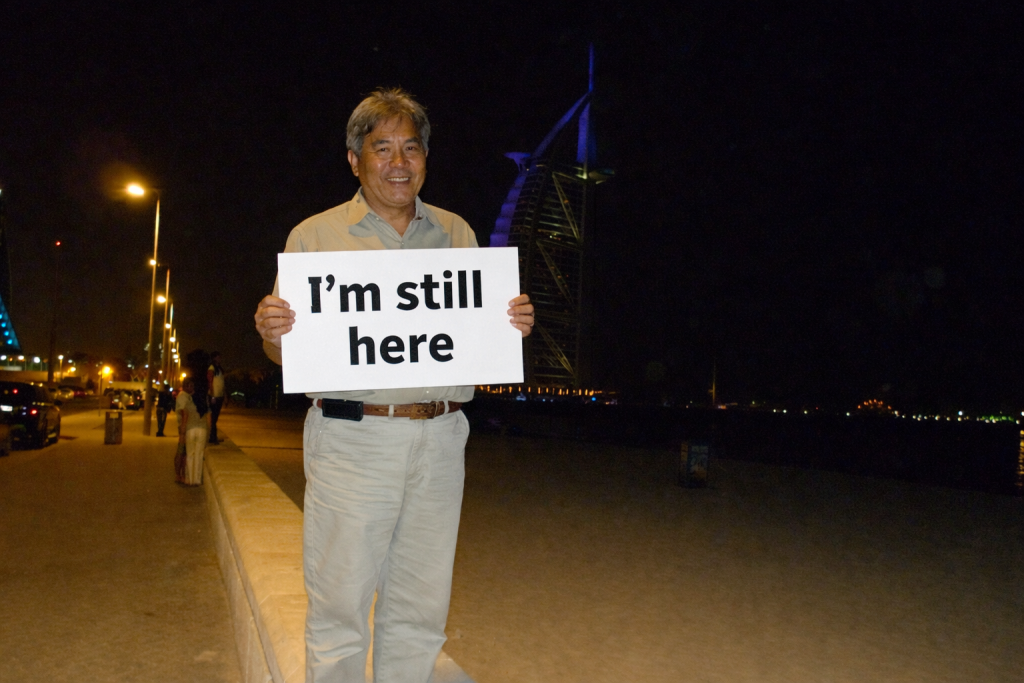
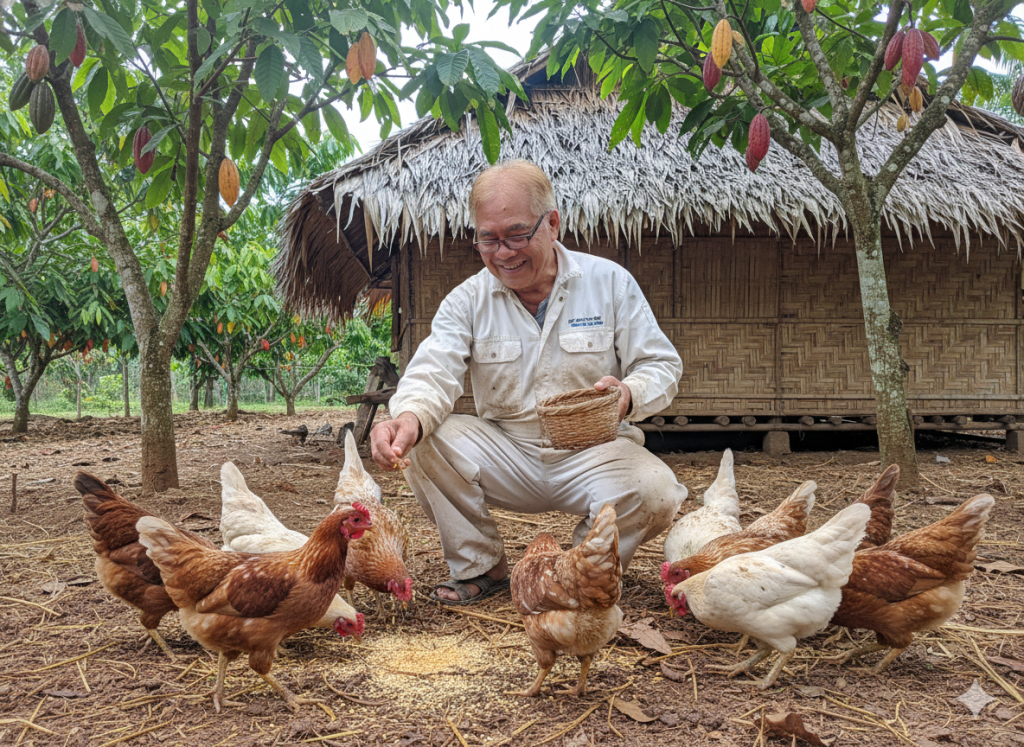
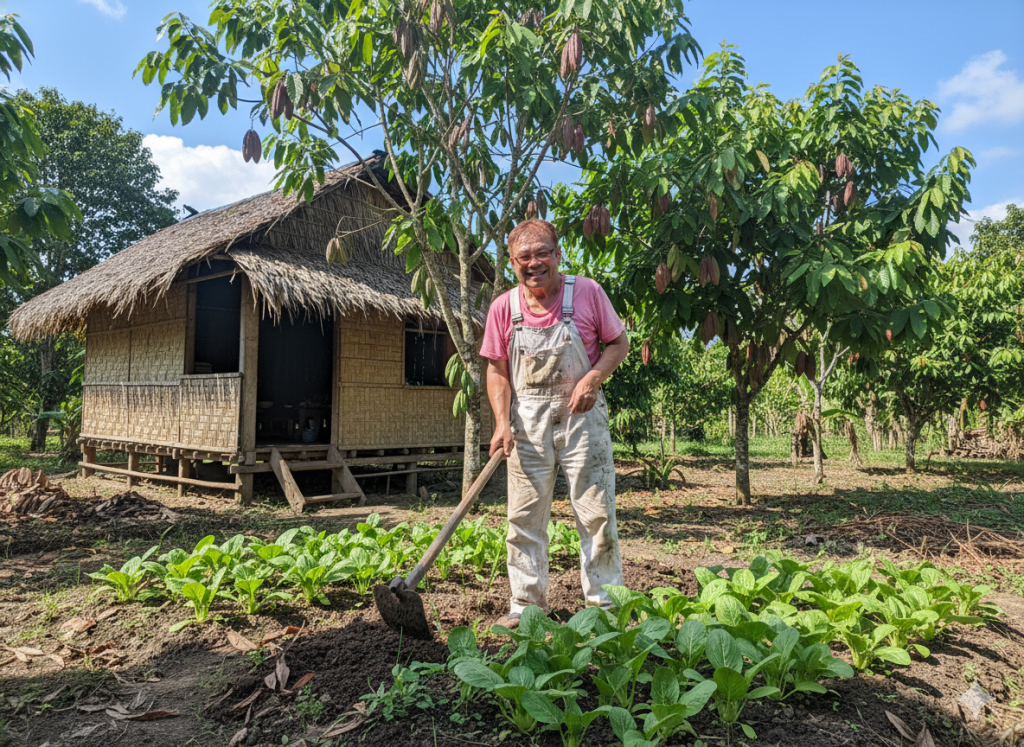
  • My Story: Steered by Faith, Anchored by Grace


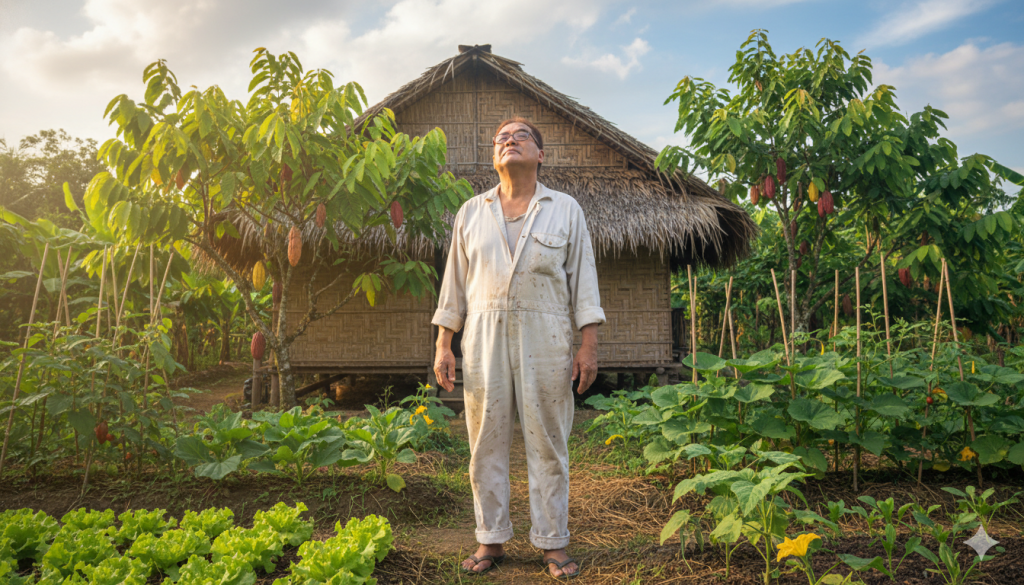
    I was born on February 5, 1955, in Tagbilaran, Bohol—a quiet place where faith was not just taught, but lived. My parents were devoted Catholics, and from them I learned early that life is a gift from God, meant to be cherished, worked on, and offered back to Him with gratitude. Our home was simple, but it was rich in prayer, discipline, and love. Those early years planted seeds that would later sustain me through storms I never imagined.

    As a young man, I pursued a Bachelor of Science in Marine Transportation at PMI-Bohol and graduated in 1976. The sea called to me—not just as a profession, but as a proving ground. In 1979, after completing my apprenticeship, I began working on international ships. Life at sea taught me humility. It taught me patience. It taught me that no matter how skilled a man may be, he is still small before the vastness of God’s creation. Many nights, under foreign skies and unfamiliar stars, I prayed. I learned to trust God not only in calm waters, but especially in rough ones.

    When my years as a seafarer came to an end, I did not leave the sea behind completely. I became a Maritime Training instructor, passing on what I had learned—not just about navigation and safety, but about character, responsibility, and respect for life. Teaching reminded me that our true legacy is not what we earn, but what we give.

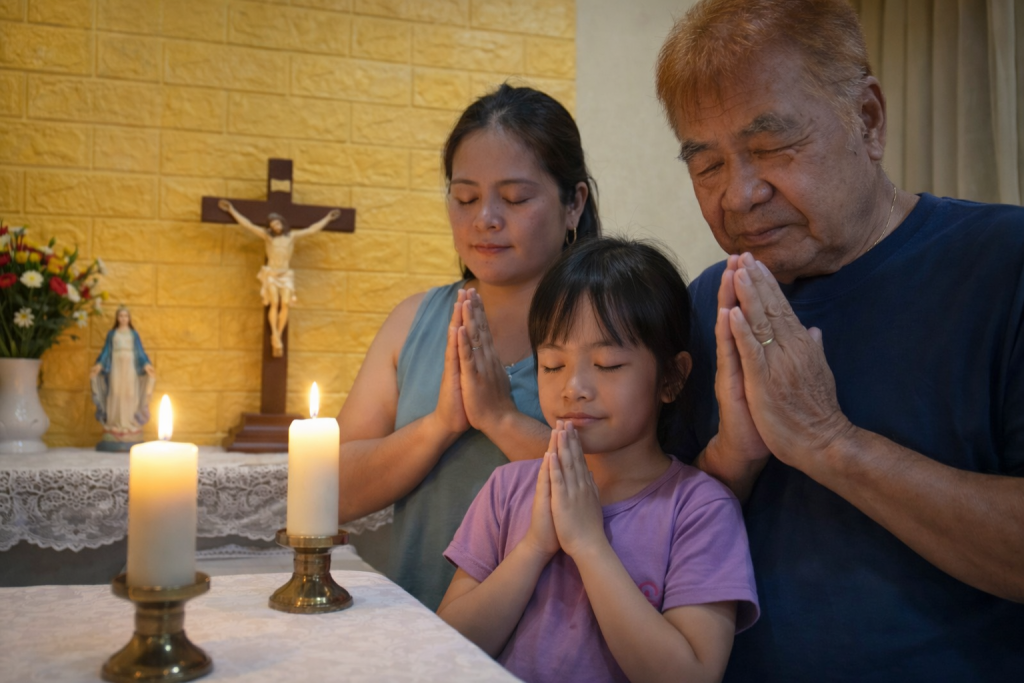
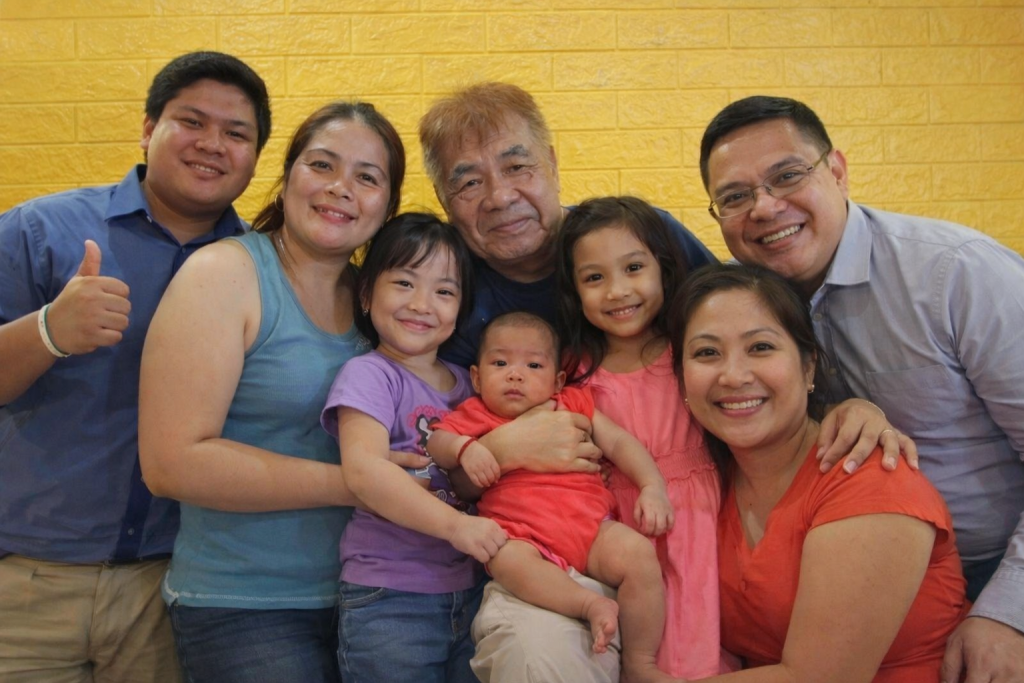
    In 2009, my life changed forever. I lost my wife and became a widower, left to raise our three children—one daughter and two sons. Grief is a heavy cross, and there were days when faith was not easy. But even then, God did not abandon me. He carried me through the pain, strengthened me in my weakness, and helped me raise my children, who are now adults. Today, I am blessed with five grandchildren—living reminders that life continues, love multiplies, and God’s promises endure.

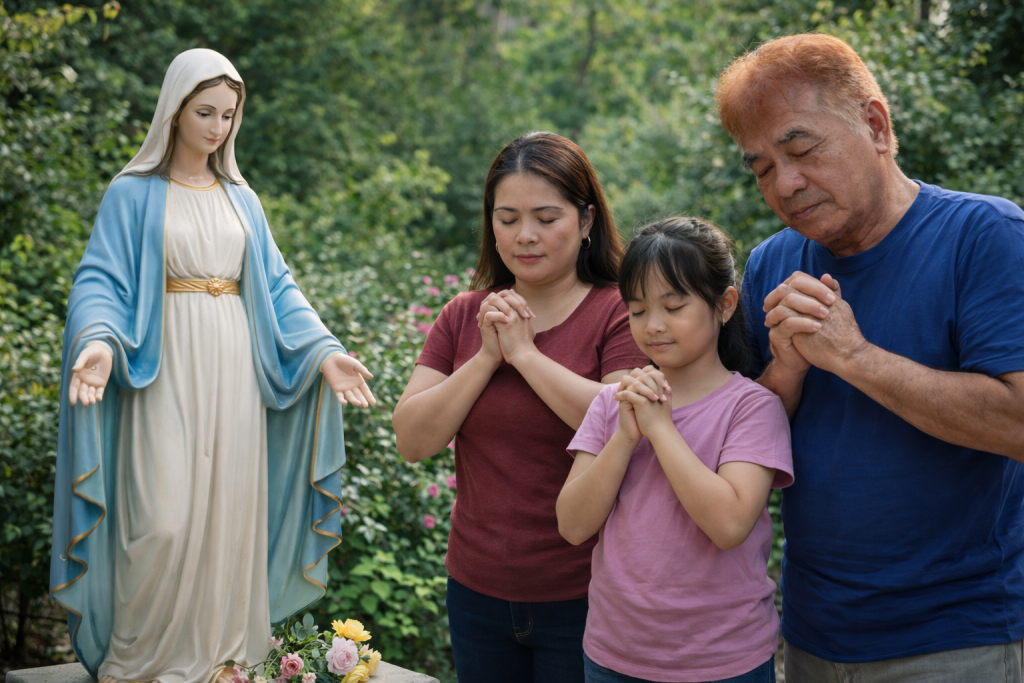
    Just when I thought my story had settled into quiet chapters, God surprised me again. In 2019, I remarried. Love found me once more, not as a replacement for the past, but as a new beginning. Today, I am blessed with a 6-year-old daughter who fills our home with laughter and wonder, and a 25-year-old stepson who adds another layer to our family story. At an age when many slow down, God entrusted me with new responsibilities—and new joy.

    Now, at 71 years old, I look back with gratitude, not regret. My life has known calm seas and violent storms, deep loss and unexpected blessings. Through it all, one truth remains: God has been faithful. Every chapter—whether joyful or painful—had a purpose.

    If my story teaches anything, it is this: age is not a limitation, loss is not the end, and faith is never wasted. God is always at work, writing stories far greater than we can imagine. As long as we trust Him, even the broken pieces of our lives can become a testimony of hope, love, and grace.

    ” Beware of undertaking too much at the start. Be content with quite a little. Allow for accidents. Allow for human nature, especially your own.”

    Arnold Bennet

    Leave a Reply

    Your email address will not be published. Required fields are marked *