Category: spiritual growth

  • What Does the Bible Say About Consistency?

    Meta Description:
    Discover what the Bible says about consistency and why faithfulness in small, daily actions matters to God. This inspiring and motivational article explores biblical truths, powerful Scriptures, and practical steps to help you stay spiritually steady, grow in perseverance, and reflect God’s unchanging character in everyday life.
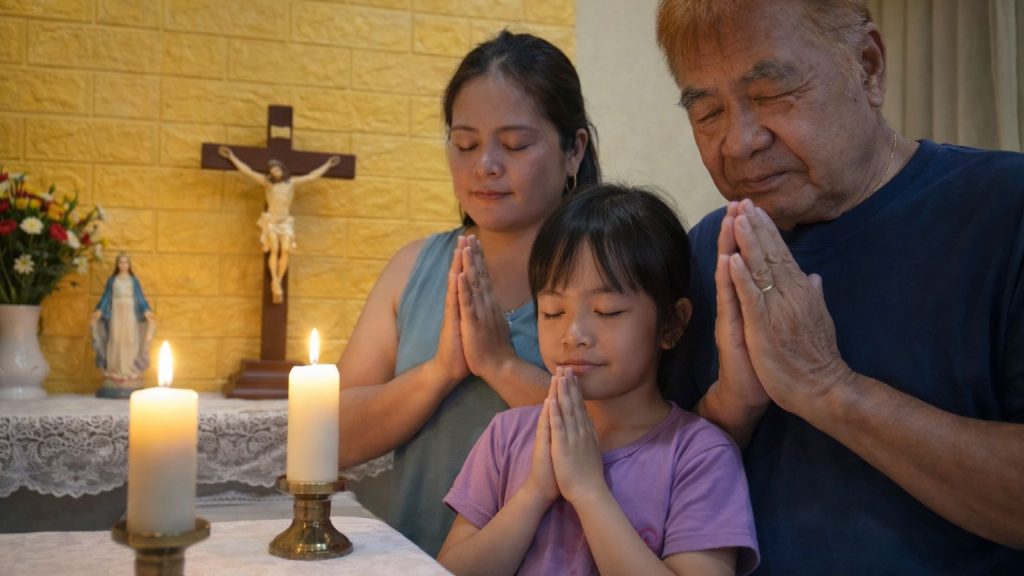
    We live in a world that celebrates big beginnings. New goals. New habits. New promises. But if we’re honest, it’s not the starting line that defines us — it’s the steady steps that follow.

    Consistency is not loud. It doesn’t trend. It doesn’t usually go viral. But in the Bible, consistency is powerful. It is holy. It is transformative.

    So what does Scripture really say about being consistent?


    1. Consistency Reflects God’s Character

    Before we even talk about our own habits, we need to look at God Himself. The Bible describes Him as faithful, unchanging, and steadfast.

    “Jesus Christ is the same yesterday and today and forever.” — Hebrews 13:8

    God’s love does not fluctuate with our performance. His mercy does not expire. His promises do not shift with culture. From Genesis to Revelation, He remains steady.

    When we choose consistency — in prayer, in kindness, in obedience — we mirror the character of a faithful God. We reflect His reliability in a world full of instability.

    Consistency is not just discipline. It is discipleship.


    2. Faithfulness in Small Things Matters

    We often think consistency only counts when it produces big results. But the Bible says otherwise.

    In Luke 16:10, Jesus says:

    “Whoever is faithful in very little is also faithful in much.”

    This means God is watching not just the milestones — but the mundane moments.

    • The quiet prayer when no one sees.
    • The daily effort to be patient with your family.
    • The decision to choose integrity at work.
    • The commitment to open your Bible even when you feel nothing.

    Consistency in the small things prepares us for greater responsibilities. The world measures success by speed. God measures it by faithfulness.

    Think about the farmer. He does not harvest the day after planting. He waters, waits, tends, and trusts. Day after day. Season after season.

    Consistency is how seeds become fruit.


    3. Do Not Grow Weary

    Let’s be real — consistency is hard. Motivation fades. Feelings fluctuate. Life gets busy. Discouragement creeps in.

    That’s why Galatians 6:9 encourages us:

    “Let us not grow weary in doing good, for in due season we will reap, if we do not give up.”

    Notice that phrase: if we do not give up.

    The breakthrough often comes after the boring middle. The answer often comes after repeated prayer. The growth often happens quietly before it becomes visible.

    You may not see progress today. But heaven sees your persistence.

    God honors those who keep showing up.


    4. Consistency Builds Spiritual Strength

    Spiritual maturity does not happen overnight. Even the heroes of faith developed through daily obedience.

    Consider the Book of Daniel. Daniel prayed three times a day — consistently, even when it became illegal. Even when it threatened his life, his consistency in private gave him courage in public.

    Or think of Apostle Paul. He endured shipwrecks, prison, persecution — yet he kept preaching, writing, encouraging, and serving. His letters continue to strengthen believers today because he refused to quit.

    Spiritual muscles grow through repeated practice:

    • Repeated forgiveness.
    • Repeated worship.
    • Repeated trust.
    • Repeated surrender.

    Consistency turns belief into a lifestyle.


    5. Consistency Is Rooted in Love, Not Legalism

    Here’s something important: biblical consistency is not about rigid perfection. It’s about relational devotion.

    Jesus did not call us to mechanical rule-following. He called us to abide in Him.

    In John 15:4, He says:

    “Abide in Me, and I in you.”

    To abide means to remain. To stay. To continue.

    Consistency flows from connection. When we love God, we keep coming back to Him — even after failure. Even after weakness. Even after we fall short.

    Consistency is not about never stumbling. It’s about always returning.


    6. Your Consistency Impacts Others

    You may think your daily faithfulness goes unnoticed. But someone is watching.

    Your children see your prayers.
    Your friends notice your integrity.
    Your coworkers feel your steadiness.
    Your community is shaped by your example.

    Think of King David. Though imperfect, he consistently sought God’s heart. His psalms still comfort millions today.

    Consistency leaves a legacy.

    It builds trust. It strengthens relationships. It creates spiritual stability in uncertain times.


    7. Practical Ways to Live Consistently

    If you want to grow in biblical consistency, start small:
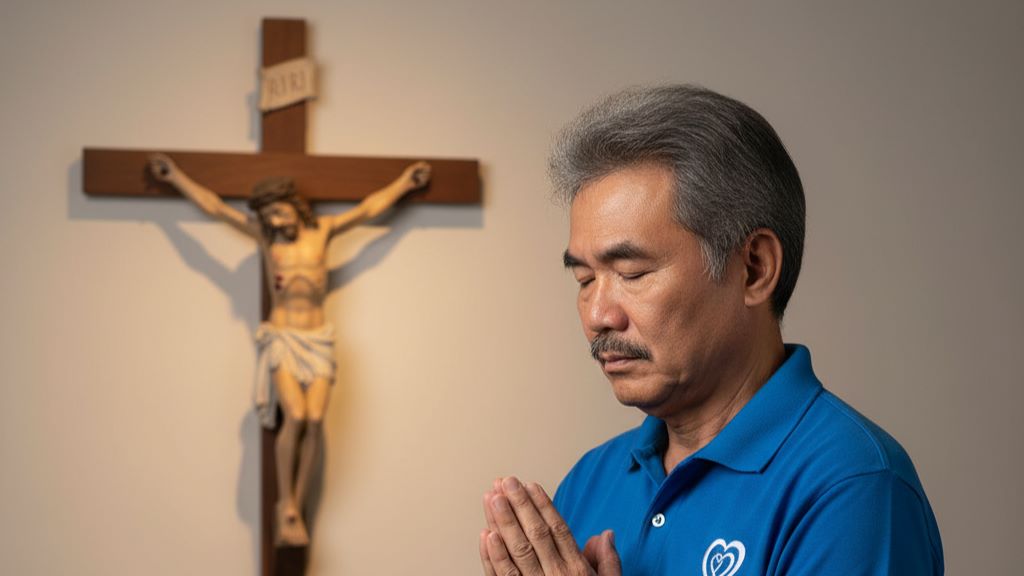
    1. Set a daily appointment with God. Even 10–15 minutes matters.
    2. Choose one area to improve. Maybe patience. Maybe gratitude. Maybe discipline.
    3. Create rhythms, not resolutions. Focus on habits over hype.
    4. Expect resistance. The enemy attacks momentum.
    5. Give yourself grace. When you miss a day, don’t quit — restart.

    Remember, consistency is built one decision at a time.


    Final Encouragement

    Consistency may not feel dramatic. It may not feel glamorous. But in the Kingdom of God, it is deeply powerful.

    The Bible does not celebrate people who started well and disappeared. It honors those who endured. Those who remained. Those who kept the faith.

    Maybe today you feel tired. Maybe you’re tempted to give up on a prayer, a dream, a discipline.

    Don’t.

    Keep sowing.
    Keep praying.
    Keep loving.
    Keep trusting.

    Because in due season, you will reap.

    And one day, when you stand before God, the greatest words you could hear are not, “You were impressive.”

    But, “Well done, good and faithful servant.”

    Stay faithful. Stay steady. Stay consistent.

    God is.

    “Consistency without patience is nothing.”

    Abito Espejo

    Leave a Reply

    Your email address will not be published. Required fields are marked *

  • REFLECTION: 7th Day of Lent

    Meta Description:

    Reflect on the 7th Day of Lent with this inspiring and spiritual article that encourages perseverance, prayer, and personal growth through faith, self-examination, and trust in God’s transforming grace.

    Seven days into Lent. One full week of choosing intention over impulse, prayer over noise, surrender over control.

    The 7th day may not feel dramatic. There are no palm branches yet, no empty tomb, no triumphant alleluias. Just the quiet work of the soul. And maybe—if we’re honest—a little fatigue.

    Lent has a way of revealing things. It reveals our habits. It reveals our attachments. It reveals how easily distracted we are. For seven days, you may have tried to pray more consistently, fast from something that grips your heart too tightly, or give more generously. And already, you might feel the resistance rising.

    That’s normal.

    The 7th day of Lent is not about perfection. It is about perseverance.

    In Scripture, the number seven often symbolizes completion and spiritual fullness. In the Bible, God rested on the seventh day—not because He was tired, but because the work was complete. The seventh day invites us to pause and examine: What has God already begun in me this Lent?

    Maybe you’ve noticed impatience surfacing more quickly. Maybe you’ve become more aware of how much you rely on comfort. Maybe you’ve realized how hard it is to sit in silence without reaching for your phone. These realizations are not failures. They are awakenings.

    Lent is not a performance. It is a return.

    For seven days, you have been turning your heart—however imperfectly—toward God. That turning matters. Even if you stumbled. Even if you forgot one day. Even if your fast has been inconsistent.

    The beauty of Lent is that it mirrors the journey of Jesus Christ in the wilderness. Before His public ministry, before miracles and crowds, He spent forty days in solitude, fasting and facing temptation. The wilderness was not punishment; it was preparation.

    Your wilderness is preparing you too.

    On this 7th day, reflect on what has been stirred within you. Have you felt discomfort? Good. Growth rarely feels comfortable. Have you felt convicted? That means your heart is still sensitive to God’s voice. Have you felt weak? Then you are in the perfect position to rely on His strength.

    Lent strips away illusions. It reminds us that we are dust, yes—but dust deeply loved by God.

    Sometimes we begin Lent with big goals: “I will pray an hour a day.” “I will completely eliminate this habit.” “I will transform my life in forty days.” Then reality humbles us. The 7th day teaches us something powerful: transformation is not instant. It is daily. Quiet. Steady.

    One day at a time.

    Seven days ago, you made a decision. You chose to lean in instead of drift away. That decision is still active today. And it matters more than you think.

    Maybe this week has revealed that you need more patience. Maybe it has shown you that you’ve been carrying bitterness. Maybe it has uncovered fear about the future. Whatever has surfaced, bring it honestly before God. Lent is not about hiding your weaknesses—it is about offering them.

    The 7th day is a checkpoint, not a conclusion.

    Ask yourself:

    • What has God been whispering to me this week?
    • What distractions am I being invited to release?
    • Where have I resisted change?
    • Where have I experienced unexpected peace?

    Reflection is powerful because it transforms experience into wisdom.

    And here’s something deeply encouraging: God is more committed to your growth than you are. Even when your discipline wavers, His grace does not. Even when your motivation fades, His mercy remains steady.

    If you’ve been faithful this week—keep going.
    If you’ve stumbled—begin again.
    If you feel dry—stay anyway.
    If you feel strong—stay humble.

    Seven days in, you may not look different on the outside. But inside, seeds are being planted. Roots are going deeper. Awareness is increasing. And awareness is the first step toward holiness.

    Lent is not about becoming impressive. It is about becoming honest.

    The 7th day invites you to slow down and notice: God is already at work. In your prayers. In your struggles. In your quiet tears. In your small victories.

    Maybe the most powerful prayer you can pray today is simple:
    “Lord, continue the work You’ve started in me.”

    There are still many days ahead in this Lenten journey. There will be days of clarity and days of confusion. Days when you feel spiritually strong, and days when you feel distracted and distant. But remember this—growth is rarely loud. It happens in hidden places.

    Just like seeds beneath the soil.

    Seven days ago, you planted something. Today, trust that God is watering it. Stay faithful in the small things. Stay consistent in prayer. Stay gentle with yourself.

    The cross is still ahead. But so is the resurrection.

    And the quiet faithfulness of this 7th day is preparing your heart for both.

    Keep walking. Keep trusting. Keep reflecting.

    God is not finished with you yet.

    ” Our real blessings often appear to us in the shape of pains, losses and disappointments; but let us have patience and we soon shall see them in their proper figures.”

    Joseph Addison

    Leave a Reply

    Your email address will not be published. Required fields are marked *

  • How to Build a Christ-Centered Morning Routine

    Meta Description:

    Learn how to build a Christ-centered morning routine that is simple, sustainable, and rooted in Scripture. Start each day with peace and purpose.

    Quick Steps to Build a Christ-Centered Morning Routine

    1. Begin with stillness before checking your phone
    2. Read a short passage of Scripture
    3. Pray honestly about your day
    4. Set one spiritual intention
    5. Keep your routine simple and repeatable

    Mornings shape more than our schedules. They shape our hearts.

    “Christ-centered morning routine with Bible and journal”

    Before the notifications begin, before responsibilities press in, before the noise of the world grows loud, there is a quiet opportunity — a moment to anchor ourselves in something steady and eternal.

    Building a Christ-centered morning routine is not about adding pressure to wake up at 4:00 a.m. or creating a perfect spiritual checklist. It is about beginning the day aligned with God rather than being rushed by the world.

    Here is how to build a morning rhythm that is simple, sustainable, and centered on Christ.


    1. Begin with Stillness Before Stimulation

    Many of us reach for our phones before we even sit up in bed—emails, headlines, messages — all demanding attention immediately.

    But Scripture invites us into something different.

    “Be still, and know that I am God.” — Psalm 46:10

    Before you check your phone, pause.

    Take one or two minutes to breathe deeply. Whisper a short prayer:
    “Lord, thank You for this day. Help me walk with You in it.”

    This small act shifts your posture from reaction to reverence.

    A Christ-centered morning begins with stillness.


    2. Open Scripture Before Opening Your Schedule

    “Christ-centered morning routine with Bible and journal”

    Your calendar may tell you what you need to do. Scripture reminds you who you are.

    Even 10–15 minutes in the Word can reshape your perspective for the entire day.

    You might:

    • Read one Psalm
    • Follow a short devotional plan
    • Study a small passage deeply
    • Reflect on a single verse

    “Your word is a lamp to my feet and a light to my path.” — Psalm 119:105

    You don’t need to read chapters at a time. Consistency matters more than volume. A few faithful verses each morning will nourish your spirit more than an occasional long session.


    3. Pray Honestly and Specifically

    Prayer does not need to sound polished.

    A Christ-centered routine includes conversation — not performance.

    Bring God:

    • Your worries about the day
    • Your decisions
    • Your relationships
    • Your goals
    • Your weaknesses

    “Cast all your anxiety on Him because He cares for you.” — 1 Peter 5:7

    When you surrender your concerns in the morning, you carry less weight throughout the day.


    4. Set One Spiritual Intention

    Instead of a long list of resolutions, choose one focus for the day.

    It could be:

    • Patience
    • Gratitude
    • Humility
    • Faithfulness
    • Kindness

    Ask God to help you practice that quality intentionally.

    “Whatever you do, work at it with all your heart, as working for the Lord.” — Colossians 3:23

    A single intention keeps your heart aligned even when the day becomes busy.


    5. Create a Simple, Repeatable Structure

    The key to building a Christ-centered morning routine is sustainability.

    Keep it realistic.

    For example:

    • 2 minutes of stillness
    • 10 minutes of Scripture
    • 5 minutes of prayer
    • 1 written gratitude

    That is less than 20 minutes — but deeply grounding.

    It is better to practice a short, faithful routine daily than to attempt something overwhelming that fades after a week.


    6. Prepare the Night Before

    Morning success often begins in the evening.

    You might:

    • Place your Bible where you’ll see it
    • Write your verse ahead of time
    • Set your alarm with intention
    • Decide your wake-up time clearly

    Small preparation removes friction and increases consistency.

    “Commit to the Lord whatever you do, and He will establish your plans.” — Proverbs 16:3


    7. Give Yourself Grace as You Grow

    Some mornings will feel peaceful. Others will feel rushed.

    Some days your heart will feel focused. Other days, it may wander.

    That is normal.

    A Christ-centered morning routine is not about perfection. It is about direction.

    God is not measuring your performance. He is inviting your presence.

    “Because of the Lord’s great love, we are not consumed, for His compassions never fail. They are new every morning; great is Your faithfulness.” — Lamentations 3:22–23

    New mercies. Every morning.

    Even if yesterday was inconsistent, today is an invitation again.


    What a Christ-Centered Morning Produces Over Time

    When practiced consistently, this rhythm begins to:

    • Calm anxiety
    • Strengthen spiritual discipline
    • Increase gratitude
    • Improve emotional stability
    • Deepen trust in God
    • Shape your reactions throughout the day

    You may not notice a dramatic change in a week. But over months, the quiet transformation becomes clear.

    Your mornings become less hurried.
    Your decisions become less reactive.
    Your heart becomes steadier.


    A Gentle Reminder

    You do not need a complicated system to walk closely with Christ.

    You need consistency.
    You need sincerity.
    You need small daily faithfulness.

    Start tomorrow with something simple.

    Open your hands.
    Open your Bible.
    Open your heart.

    And let your morning begin not with pressure, but with presence.

    Christ is already there waiting.

    Helpful Tools for a Christ-Centered Morning

    If you’re building your morning rhythm, these tools can help:

    • A simple study Bible for deeper understanding
    • A guided devotional for structured reading
    • A prayer journal to write daily reflections
    • A habit tracker to build consistency

    Leave a Reply

    Your email address will not be published. Required fields are marked *